Publisering
Your Comprehensive Guide to Skiing in Japan
Everything You Need to Know About the Japanese Ski Season Teach a person to fish, and they'll never go hungry again. Teach a person to ski or snowboard, and they'll spend a lifetime craving downhill runs and pristine powder snow. When it comes to one of the world's premier ski destinations, Japan undoubtedly tops the list.
Atlas Grey
Signatur
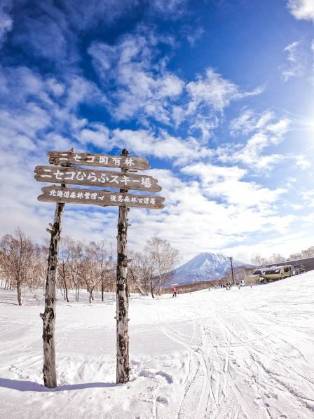
Everything You Need to Know About the Japanese Ski Season
Teach a person to fish, and they'll never go hungry again. Teach a person to ski or snowboard, and they'll spend a lifetime craving downhill runs and pristine powder snow. When it comes to one of the world's premier ski destinations, Japan undoubtedly tops the list.
Skiing in Japan is a transformative experience, offering rugged landscapes, abundant snowfall, and a wide array of resorts to cater to every taste and budget. But what sets Japanese snow apart? It all boils down to location and reliability.
During the winter months, cold winds from Siberia gather moisture as they traverse the Sea of Japan. When these winds collide with Japan's imposing mountain ranges, the moisture is released in the form of powdery, skiable snow. Unlike one-time snowfalls, Japanese ski resorts enjoy consistent snow throughout the season, with certain regions, like Aomori, receiving over 700 cm of snow annually. Many claim that even a "bad season" in Japan surpasses the best conditions in some other countries.
With temperatures dropping and international borders reopening, now is the ideal moment to start planning your dream escape. Here, we provide you with everything you need to know for an unforgettable skiing holiday in Japan.
The Top Japanese Ski Resorts
Current estimates place the number of ski resorts in Japan at over 500, ranging from mega-resorts with multiple lifts and slopes to charming single-lift destinations. While Australians are familiar with names like Hakuba and Niseko, there are numerous other remarkable resorts worth exploring.
From serene runs at Rusutsu in Hokkaido to the expansive Zao Onsen in Tohoku, there's a Japanese ski resort perfectly suited for every level of skier, from beginners to advanced.
Hokkaido
Japan's northernmost island, Hokkaido, is an enchanting realm offering world-class powder snow, delectable fresh seafood, and a plethora of rejuvenating hot springs to soothe your ski-weary muscles. Don't forget to savor the creamiest soft-serve ice cream you've ever encountered.
Tohoku
Renowned for its untamed natural beauty, Japan's northeastern Tohoku region encompasses six prefectures, including Akita, Iwate, and Yamagata, each steeped in centuries of heritage and tradition. The charming Ginzan Onsen town is a step back in time to the early 20th century.
Tohoku is home to some of Japan's most cherished ski resorts and its unique "snow monsters"—trees encased in layers of snow and ice. If you're seeking a slower-paced adventure away from the slopes, there are plenty of delightful winter experiences to engage in.
Nagano
Famed for hosting the 1998 Winter Olympics, Nagano is synonymous with skiing and snowboarding, but it's also a place of lively festivals, samurai-era townships, and delectable locally-made sake. Often referred to as the "roof of Japan," Nagano features Japan's highest mountain ranges and pockets of rural culture, like the villages of Tsumago and Narai, which could be plucked from a samurai film.
The Best Time to Ski in Japan
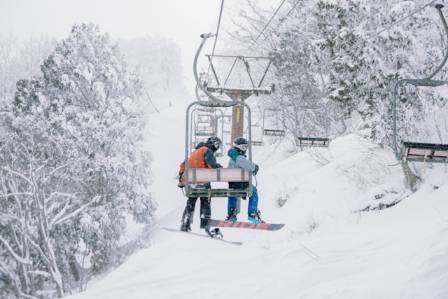
The Japanese ski season typically runs from late December to early April, with the peak season occurring from January to late February, sometimes extending into early March. However, it varies depending on the region. You can check the expected opening dates for each region on their respective resort websites.
Hokkaido, located at Japan's northernmost point, may see snow as early as November and continue into May. With a whopping 100 resorts on the island, it remains uncrowded even during peak periods.
Snow Town Yeti ski village, situated on the southern slope of Mount Fuji west of Tokyo, typically kicks off the season at the end of October, albeit with artificial snow. Due to its proximity to Tokyo, it can get quite crowded.
Is Skiing in Japan Expensive?
Answering this question depends on your expectations for your ski trip.
Accommodation, gear rental, and meals vary across regions and resorts, with options ranging from budget-friendly to extravagant. Just like hotels, you can find affordable alternatives and high-end choices that might leave your wallet aching.
If you're looking for a top-tier resort with groomed slopes and chair lifts right outside your door, be prepared to pay more. The Appi Kogen Resort, for instance, boasts three high-end hotels—ANA InterContinental, ANA Crowne Plaza, and ANA Holiday Inn—starting at AUD $560 per night during peak season.
For a more budget-conscious trip, explore destinations with a wide range of hotel options. The Cortina Hotel in Hakuba, for example, offers rooms starting at approximately AUD $240 per night.
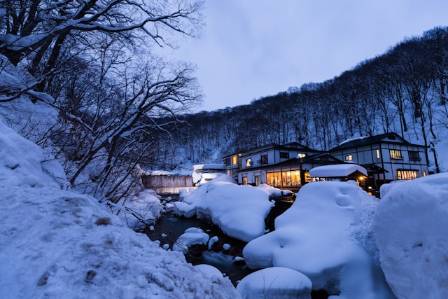
To further reduce costs, consider staying in a boutique ski lodge instead of a large hotel. Lodges are often family-owned, inclusive of meals, and can be a more authentic experience. For example, Pension Folktale starts at AUD $157 per night, which includes dinner and breakfast.
How Much Does Ski Gear Rental Cost in Japan?
Gear rental prices vary, but typically, you can expect to pay between ¥3000 and ¥5000 (AUD $36-60) per day for a full set, including a snowboard, boots, and bindings, or skis, boots, and poles. Rental clothing costs about the same.
However, if you're traveling with an airline that includes ski equipment within your standard baggage allowance, such as Qantas, Japan Airlines, or All Nippon Airways, you might be able to save on daily rental fees by bringing your own gear. If your equipment exceeds the baggage allowance, additional fees may apply.
As you embark on your Japanese ski adventure, you now have a comprehensive understanding of what to expect, from the top ski regions to the ideal time to visit and budget considerations. So, prepare your gear, perfect your skiing or snowboarding skills, and get ready for an unforgettable winter journey in the Land of the Rising Sun.
Andre saker du kanskje liker

6 Exceptional Artworks of All Time
Throughout history, certain masterpieces have left an indelible mark on humanity. These artworks not only shaped artistic movements but also influenced fashion trends and introduced new styles and artistic values. More importantly, they have served as a wellspring of inspiration for countless individuals, encouraging creativity and innovation.

The Essential Guide to Mastering Casual Style
Many of us have stood before a full closet and felt we had nothing to wear. The desire is simple: to look stylish and feel confident without sacrificing comfort. However, navigating trends to find a look that suits your specific age and body type can be overwhelming. This is where casual style becomes the ultimate solution. It occupies the perfect middle ground between aesthetic appeal and daily practicality, allowing you to feel like yourself in any situation.
Thousand Layer Cake
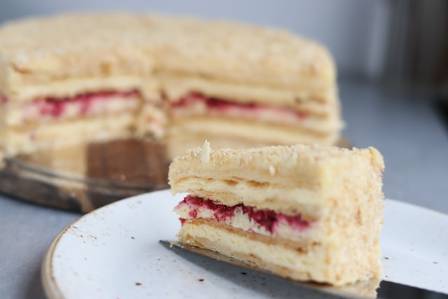
Spekkoek is a unique layered cake from Dutch-Indonesian cuisine, also referred to as spekkuk or kue lapis legit. It’s sometimes called the “Thousand Layer Cake” because of the numerous layers that make up this dessert.

Modern Minimalism: A Guide to Creating Your Own Color Block Wall Art
Transforming a sterile, blank wall into a vibrant focal point doesn't have to be expensive or overly complicated. When faced with the challenge of decorating a multi-purpose room—such as a combined home office and nursery—the goal is to find a design that offers professional inspiration while remaining soft enough for a child's space. A custom color block painting on a wooden panel provides the perfect balance of bold hues and clean, modern lines.
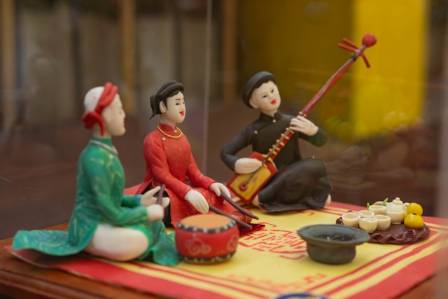
Chinese Folk Clay Art Guide
Chinese folk clay sculpture—often referred to as clay figurine art—is a handcrafted sculptural tradition grounded in everyday experience. Created from natural clay through shaping by hand, carving, and gradual drying, and sometimes strengthened through high-temperature firing, these works preserve impressions of daily life, local traditions, and collective memory.

The 10 Most Powerful Classic Muscle Cars
When it comes to high-powered muscle cars and unadulterated American horsepower, Carly Simon hit the nail on the head: these truly were the good old days. The Chevrolet Camaro ZL1 cranks out a minimum of 650 SAE net horsepower. Ford’s Shelby GT500 raises the bar to 760 horses. Still not enough? Dodge’s Hellcat Redeye Jailbreak models push the envelope to a whopping 807 horsepower. All these modern beasts fire up with a single turn of the key (or press of a button), can run 100,000 miles without a tune-up, and deliver fuel efficiency no worse than the 145-horsepower 1982 Camaro Z-28.

10 Nutritious Breakfast Ideas
We take the concept of healthy breakfast ideas seriously, both in terms of flavor and nutrition. Just as starting your day with a workout can set a positive tone for the rest of your day, beginning with a healthy and delicious breakfast can establish a similar intention for mindful eating and wellness. Here are ten nutritious breakfast ideas to kickstart your morning:

The 8 Essential Suit Accessories for Men: Elevate Your Style with Finishing Touches
A well-tailored suit is the foundation of sophisticated menswear, but it’s the accessories that transform a great fit into a memorable look. The art of suiting lies in balancing precision—measured shoulders, tailored sleeves, and a fitted waist—with personal flair, and accessories are the ultimate tool to express individuality without compromising polish. Whether you’re looking to add personality to your office wardrobe, elevate a formal ensemble, or affordably refresh your suits, the right accessories can make all the difference. However, there’s a golden rule to remember: less is more. Overloading on accessories doesn’t equal bold style—it creates chaos. The best approach is to choose 2-3 complementary pieces that enhance your suit, reflect your taste, and suit the occasion. Below, we break down the 8 essential suit accessories every man should own, with detailed guidance on how to wear them, style them, and integrate them into your wardrobe.
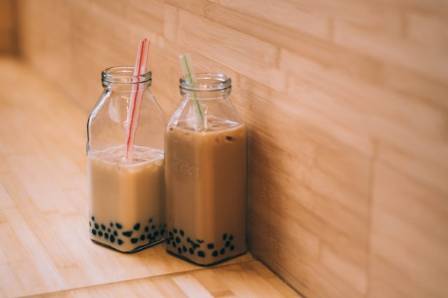
Is Bubble Tea Healthy? Unpacking Its Nutrition, Benefits, and Risks
Bubble tea, also known as boba tea, has transcended its Taiwanese origins to become a global cultural staple, captivating taste buds with its vibrant colors, creamy textures, and chewy tapioca pearls. From bustling urban cafés to convenience store fridges, this beloved drink caters to diverse palates—whether you prefer classic milk tea, fruity slushies, or innovative fusion flavors like taro or matcha. Yet, as its popularity soars, a pressing question lingers: Is bubble tea a harmless indulgence or a hidden culprit behind health concerns? Beyond its playful appearance lies a complex nutritional profile, shaped by ingredients like sweetened syrups, dairy or plant-based milks, and various toppings. In this comprehensive guide, we’ll delve into the science behind bubble tea’s nutrition, separate fact from fiction about its health impacts, and share actionable tips to enjoy it without compromising your well-being. Whether you’re a casual sipper or a die-hard boba fan, understanding the nuances of this drink will help you make informed choices that align with your lifestyle and health goals.
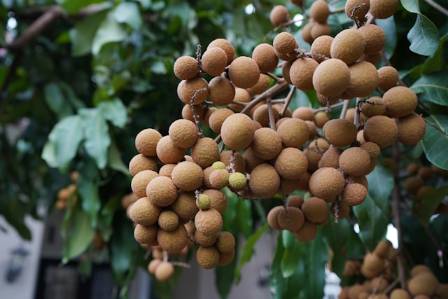
Longan: The Exotic "Dragon Eye" of Southeast Asia
The longan is a small, tropical fruit renowned for its succulent texture and delicate, floral sweetness. Characterized by a thin, bark-like shell and a single dark seed, this fruit has been a cornerstone of Asian culinary and medicinal traditions for millennia. Beyond its unique flavor profile, the longan is prized for its hardy nature, with trees capable of thriving for several centuries.