Publisering
The Epic Story of Magnetic Tape: Past, Present and Future
Imagine a world with no way to preserve voices, music, or digital knowledge. Without magnetic tape, countless speeches, cultural treasures, and scientific breakthroughs might have vanished. This unassuming strip of coated plastic reshaped the way humans record, store, and protect information—and its journey is nothing short of extraordinary.
James
Signatur
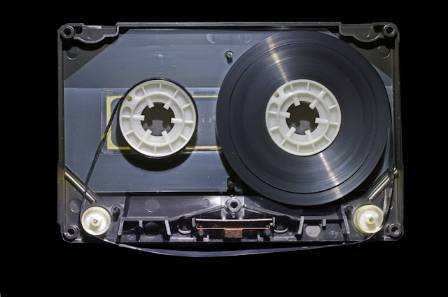
Imagine a world with no way to preserve voices, music, or digital knowledge. Without magnetic tape, countless speeches, cultural treasures, and scientific breakthroughs might have vanished. This unassuming strip of coated plastic reshaped the way humans record, store, and protect information—and its journey is nothing short of extraordinary.
Early Sparks of Innovation
The concept of magnetic recording first appeared in the 1870s when American inventor Oberlin Smith envisioned capturing sound through magnetism instead of grooves on wax cylinders. His idea involved steel fragments suspended on threads, but he never produced a working machine. The real breakthrough came in 1898, when Danish engineer Valdemar Poulsen created the Telegraphone. By running a recording head along a steel wire, Poulsen proved voices could be magnetically stored and replayed. Although steel wire was fragile and awkward, the foundation of magnetic recording had been laid.
Germany’s Leap Forward
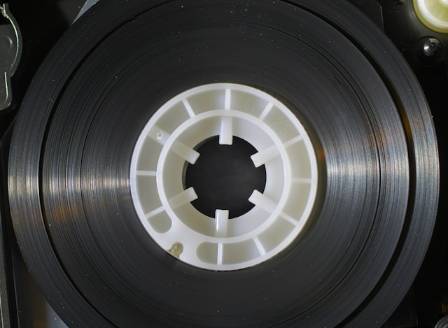
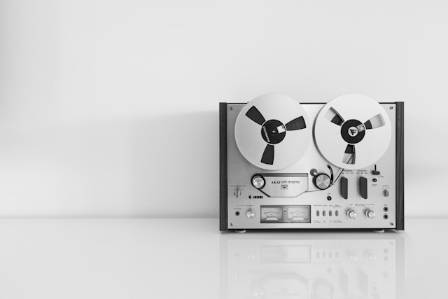
After Poulsen’s patents expired, German innovators pushed the technology further. Curt Stille refined wire recorders, but Fritz Pfleumer provided the real revolution. In 1927, he patented a method of coating paper or plastic strips with iron oxide particles bound by lacquer. Partnering with AEG and BASF, Pfleumer’s concept evolved into the Magnetophon, unveiled in 1935. This reel-to-reel tape astonished listeners with its clarity, quickly becoming the medium of choice for radio and dictation. By the early 1940s, most German broadcasts relied on tape, producing millions of feet of recordings during the war.
Crossing Into Computing
As Allied forces examined captured Magnetophons, American engineers realized tape could do more than store sound. John Mauchly and Presper Eckert, creators of the UNIVAC computer, adopted tape to replace unreliable memory systems. Their UNISERVO I drive, launched in 1951, used metal-coated tape and offered 182 kilobytes of storage—tiny by modern standards but revolutionary at the time. IBM soon followed with the 726 drive, achieving densities of 128 bits per inch and speeds of 100 inches per second, cementing tape as the first practical external storage for computers.
Expanding Through the Decades
By the 1960s, tape was everywhere in business, science, and government. Mainframes filled entire rooms with spinning reels archiving everything from nuclear research to space exploration. Though hard disks eventually overtook tape for day-to-day storage, reels remained the preferred backup option thanks to their durability and cost-effectiveness.
The Rise of Cartridges
From the 1980s onward, tape evolved from bulky reels into compact cartridges. Formats such as 8mm, DLT, and DAT pushed capacities into gigabytes and beyond, with transfer speeds rivaling early networks. By the 1990s, the LTO (Linear Tape-Open) standard unified the industry, ensuring long-term growth and compatibility. Today’s LTO-9 cartridges can hold an astounding 18 terabytes uncompressed while reaching speeds above one gigabyte per second.
Why Tape Still Matters
Despite constant predictions of its demise, magnetic tape remains essential. It stores over half of the world’s digital information, largely because it requires no energy to preserve data for decades and costs far less than maintaining massive disk arrays. Modern robotic tape libraries can hold exabytes of material, making them a cornerstone of enterprise data centers.
Conclusion
From Oberlin Smith’s unrealized sketches to futuristic labs exploring atomic-scale storage, magnetic tape has endured for nearly 150 years. It began with fragile steel wires and grew into the backbone of computing, broadcasting, and data preservation. Even as cloud services and advanced memory systems expand, tape continues to offer unmatched reliability and affordability. Its story proves that sometimes the most modest-looking technology can shape the digital world in ways that last for generations.
Andre saker du kanskje liker

Modern Minimalism: A Guide to Creating Your Own Color Block Wall Art
Transforming a sterile, blank wall into a vibrant focal point doesn't have to be expensive or overly complicated. When faced with the challenge of decorating a multi-purpose room—such as a combined home office and nursery—the goal is to find a design that offers professional inspiration while remaining soft enough for a child's space. A custom color block painting on a wooden panel provides the perfect balance of bold hues and clean, modern lines.

Unlocking the Long-Term Rewards of Exercise
Exercise is a powerful elixir for our physical and mental well-being, and its enduring benefits are evident not just immediately, but also in the years to come. Let's delve into the importance of staying active and how it equips us for a healthier, happier future.

Five Unique Insights Into the Horned Lark
The Horned Lark is a distinctive small songbird that, while somewhat rare in the Estes Valley, can be frequently observed in the high-altitude tundra of Rocky Mountain National Park during the summer. This species is extensively distributed across the United States. In Colorado, these birds favor expansive, open environments such as sagebrush valleys on the high plains, prairie lands, and open agricultural fields along the Front Range. Beyond their preference for wide-open spaces, several fascinating characteristics set this avian species apart from other songbirds.

The Washington Monument: An Iconic Tribute to a Founding Father
The Washington Monument stands as a timeless tribute to George Washington, the nation's first president and a foundational leader in American history. This iconic obelisk, one of the most recognizable structures in the world, dominates the skyline of the National Mall in Washington, D.C., symbolizing the strength, resilience, and ideals of the United States.
Finding the Ideal Sunglasses: A Guide to Face Shapes, Personal Style, and Functionality
Selecting the perfect pair of sunglasses involves more than just picking a trendy design. The most suitable eyewear should harmonize with your facial structure, reflect your aesthetic preferences, and satisfy your daily requirements—all while providing essential UV protection. This guide outlines a straightforward approach to identifying your face shape, selecting flattering frames, choosing the right colors, and determining which lens technology best supports your lifestyle. By following these steps, you can invest in eyewear that provides both confidence and comfort throughout the year.

Desert Camels
Camels have been domesticated for over 3,000 years, and humans continue to rely on them for transport across dry and arid regions. They can carry up to 200 pounds (90 kilograms) while traveling 20 miles (32 kilometers) a day in the desert. Camels are capable of moving as fast as horses, yet they can survive for long periods without food or water. Beyond transportation, humans have used camels for milk, meat, wool, leather, and even dung as a source of fuel.

How To Make Osmanthus Cake
Osmanthus Cake, or “Gui Hua Nian Gao” , is a cherished traditional dessert often enjoyed during the Spring Festival in China. Made with glutinous rice, fragrant osmanthus blossoms, and sugar, this treat represents prosperity and joy for the year ahead. Its lightly sweet, floral taste combined with a soft, chewy texture makes it a favorite among many.

10 Strategies for Cultivating Confidence in Women
Ever wondered how some women radiate effortless confidence? We discover their 10 top secrets.

Ten Ways the Ocean Boosts Your Well-Being
Seawater is a treasure trove of minerals like potassium, magnesium, chloride, and sodium. These not only work wonders for your hair and skin but also bolster your immune system by combating infections and reducing inflammation. It's no wonder individuals with skin conditions like eczema are often advised to take a dip in the sea as part of their treatment.
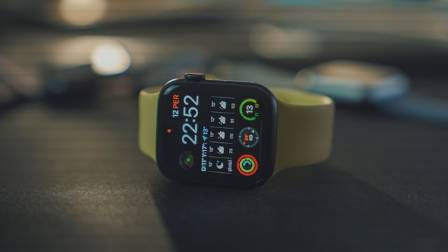
Essential Insights into the World of Smartwatches
Smartwatches have rapidly transformed from niche gadgets into indispensable daily accessories. These devices successfully merge the heritage of classic horology with the advanced capabilities of modern smartphones. While traditional analog watches remain prized for their timeless aesthetic, a significant portion of the global population now opts for smart technology due to its versatile functionality. Depending on the model, these timepieces can assist with a vast array of tasks, ranging from health management to seamless communication.