Publisering
Comprehensive Guide to Artistic Painting on Feathers
Feathers offer a remarkable and unconventional medium for artists, serving as both a naturally beautiful object and a versatile canvas for creative expression. Whether you are illustrating realistic wildlife or abstract patterns, painting on feathers requires a specific set of techniques to handle the delicate texture of the quills while ensuring a lasting finish.
Sebastian Cole Whitaker
Signatur
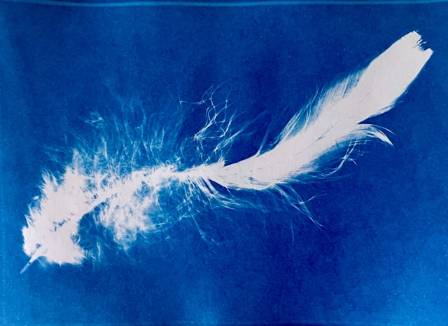
Feathers offer a remarkable and unconventional medium for artists, serving as both a naturally beautiful object and a versatile canvas for creative expression. Whether you are illustrating realistic wildlife or abstract patterns, painting on feathers requires a specific set of techniques to handle the delicate texture of the quills while ensuring a lasting finish.
Selecting and Preparing Your Feather
The success of your artwork begins with choosing the right foundation. While synthetic feathers are an option, natural feathers provide a more authentic and organic aesthetic. When selecting a specimen, consider the natural color and patterns already present; incorporating these into your design can create a more harmonious composition. The shape and size are equally vital—long, slender feathers suit different subjects than wide, rounded ones. Keep in mind that larger feathers offer a more forgiving work area, while smaller ones demand extreme precision and steady hand movements.
Before any paint touches the surface, the feather must be properly prepared. If the barbs have become separated or "torn," you can gently realign them by wiggling the pieces together with your fingers; natural feathers are designed to hook back together with minimal effort. To create a stable painting surface, apply two light coats of a workable fixative spray to both sides. This seals the barbs and prevents the paint from seeping through or causing the feather to separate during the artistic process.
Essential Supplies and Workspace Setup
To begin painting, you will need high-quality acrylic paints, which provide the necessary opacity and flexibility for this medium. Your toolkit should include a variety of brushes, ranging from medium flats for blocking in color to ultra-fine rounds for intricate detailing.
Because you will be working with layers, keep a palette, a water cup, and paper towels nearby for rinsing and drying your brushes. While many artists work from their imagination, having a reference image can be incredibly helpful for maintaining correct proportions and lighting on such a narrow, textured surface.
Mapping the Design with Outlines
The first stage of the actual painting involves creating a faint, deliberate outline to orient your subject on the feather. Select a color that is visible against the feather’s natural tone but easily obscured by later layers, such as a thinned yellow oxide. It is helpful to dilute the paint slightly with water to ensure it flows smoothly over the quills without snagging.
Precision is paramount at this stage because removing or covering mistakes on a feather is significantly more difficult than on a traditional canvas. Use a very light touch, ensuring that you are laying paint on top of the surface rather than dragging the brush through the quills. Always work in the direction of the grain to prevent damaging or breaking the delicate structure of the feather.
Developing Color and Realistic Detail
Once your map is set, begin "blocking out" the primary base colors. At this stage, focus on establishing the mid-tones and darker areas, avoiding pure black or pure white until the very end. The paint can be applied slightly thicker now to ensure total coverage of the feather beneath, though you must maintain a gentle hand to preserve the feather's integrity.
As you move from general shapes to specific details, start layering variations of color to build realism. Utilizing multiple thin, translucent layers is far more effective than applying a single heavy coat of paint. Allow time for each layer to dry before proceeding to the next. Reserve your brightest highlights and deepest shadows for the final finishing touches, as these provide the contrast that brings the image to life.
To complete the project, apply a final thin layer of sprayable fixative to protect the acrylic from flaking or fading. Your finished piece can be mounted in a frame, accented with leather or beadwork, or displayed simply as a standalone work of natural art.
Andre saker du kanskje liker
Floral Illustration Guide: Mastering Simple Botanical Art and Watercolor Techniques
Finding high-quality inspiration and clear directions for botanical illustration can often be a challenge. This guide highlights the work of a renowned illustrator who specializes in breaking down complex blossoms into manageable steps. By focusing on the emotional impression of nature rather than strict technical perfection or rigid perspective, artists can learn to create evocative floral pieces that capture the essence of various plants.

Tiny animal figurines
Welcome to Camp Hollow’s exclusive selection of the World’s Smallest Porcelain Animal Figurines. These miniature animal figures are delicately made from ceramic and porcelain, designed to add a gentle sense of wonder and delight to any collection.

7 Things You Need to Know Before Visiting Frankfurt’s Deutsche Bank Twin Towers
The Deutsche Bank Twin Towers, also known as Deutsche Bank Headquarters (German: Zwillingstürme der Deutschen Bank or Hauptverwaltung Deutsche Bank AG) rise prominently in Frankfurt’s Bankenviertel, serving not only as the headquarters of Germany’s largest financial institution but also as enduring symbols of the city’s modern identity. Since their completion in 1984, these mirrored giants—fondly called “Debit and Credit” by locals—have reflected both the economic strength and architectural ambition of Germany’s financial capital.

The Epitome of Performance: Chevrolet Corvette Z06 vs. Porsche 911 GT3
In the realm of high-performance automobiles, the Chevrolet Corvette Z06 and Porsche 911 GT3 stand out as exceptional contenders, thanks to their powerful, high-revving engines that set the standard for excitement and engagement.

Nature’s Sandy Runway
Hidden treasures glisten where water meets land in perfect harmony. Across the UK’s diverse coastline, sandy beaches serve as more than just scenic spots—they’re natural playgrounds, wellness retreats, and gateways to adventure. Whether you're seeking wide-open bays, secluded coves, or family-friendly stretches, the UK offers sandy runways where nature and travelers meet step by step.

Is Bubble Tea Healthy? Unpacking Its Nutrition, Benefits, and Risks
Bubble tea, also known as boba tea, has transcended its Taiwanese origins to become a global cultural staple, captivating taste buds with its vibrant colors, creamy textures, and chewy tapioca pearls. From bustling urban cafés to convenience store fridges, this beloved drink caters to diverse palates—whether you prefer classic milk tea, fruity slushies, or innovative fusion flavors like taro or matcha. Yet, as its popularity soars, a pressing question lingers: Is bubble tea a harmless indulgence or a hidden culprit behind health concerns? Beyond its playful appearance lies a complex nutritional profile, shaped by ingredients like sweetened syrups, dairy or plant-based milks, and various toppings. In this comprehensive guide, we’ll delve into the science behind bubble tea’s nutrition, separate fact from fiction about its health impacts, and share actionable tips to enjoy it without compromising your well-being. Whether you’re a casual sipper or a die-hard boba fan, understanding the nuances of this drink will help you make informed choices that align with your lifestyle and health goals.
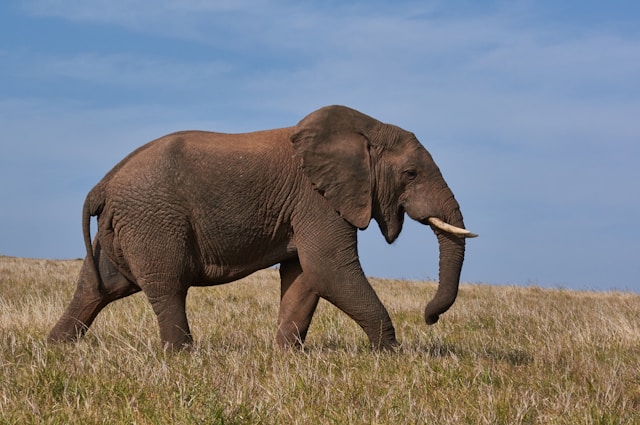
Elephant
Have you ever “herd” about them? Elephants are enormous, intelligent, strong, and highly social. For centuries, humans have been fascinated by their sheer size—a male African elephant can reach up to 7.5 tons (6.8 metric tons)! Beyond their massive bodies, elephants captivate us with their long, versatile trunks, enormous flapping ears, and loose, wrinkled skin. Stories about these majestic animals abound—you may recall Horton, Babar, or Dumbo.
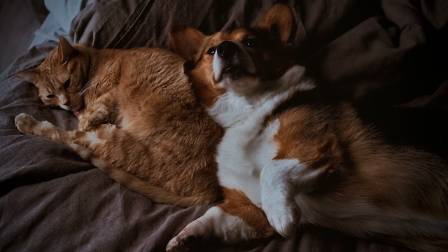
6 Indicators of Harmonious Pet Relationships
For those residing in multi-pet households, the question often arises: Do our furry companions genuinely enjoy each other's company, or are they merely tolerating one another within the confines of a shared home? Fortunately, certain unmistakable signs and subtle cues can shed light on the true nature of their relationships.

The Washington Monument: An Iconic Tribute to a Founding Father
The Washington Monument stands as a timeless tribute to George Washington, the nation's first president and a foundational leader in American history. This iconic obelisk, one of the most recognizable structures in the world, dominates the skyline of the National Mall in Washington, D.C., symbolizing the strength, resilience, and ideals of the United States.
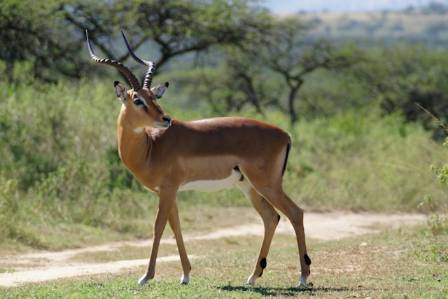
Essential Information Regarding the Global Antelope Population
Antelopes represent a vast and varied category of mammals within the Bovidae family, which also includes cattle. These creatures are indigenous to a wide range of territories, including Africa, Asia, the Middle East, and North America. They are highly adaptable, inhabiting environments as diverse as arid deserts, lush wetlands, rugged mountains, and open savannas. Currently, science recognizes 90 distinct species of antelope; however, 25 of these are presently threatened with extinction. The primary drivers behind their declining numbers are illegal hunting and the destruction of their natural environments.