Publisering
Robotics: 7 facts you need to know
The field of robotics is replete with surprising facts. Originating from a utopian vision, this concept has evolved into tangible reality, taking shape as diverse automated solutions—ranging from industrial robots and service robots to humanoids and collaborative robots. Yet, the journey of robotics is far from reaching its pinnacle.
Michael Davis
Signatur

Fact 1: The definition of robotics is older than robots themselves
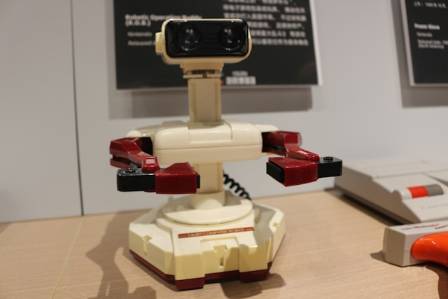
Fact 2: The history of robotics roots in fiction
Fact 3: There are five fields of robotics
-
Operations in hazardous environments: Robots can replace human workers in environments that pose risks to human safety. An operator interface acts as a bridge between humans and robots, enabling communication. For effective interaction, control devices must be user-friendly and adopt a hands-on design.
-
Transport and locomotion: Another major advantage of robotics is the ability to transport items or move through specific areas. Depending on the robot type and purpose, mobile robots often mimic human movements—such as robotic arms. Other models that require environmental interaction (e.g., prototypes for space missions) rely on wheels or alternative locomotion mechanisms.
-
Interaction with the environment: To perform specific tasks, robots need to interact with their surroundings, which requires equipping them with effectors and manipulators. These can take various forms: humanoid hands for grasping and moving objects, or pinch mechanisms in industrial automation systems for handling heavy items.
-
Precise execution of commands: While it may seem self-evident, every robot must accurately execute the commands it receives. As such, programming is one of the most critical aspects of robotics and a rapidly evolving area within computer science. Traditional programming methods are preconfigured and static, but some robots use deep learning algorithms to approach tasks. However, human commands remain essential—even advanced robots rely on programming and often lack full autonomous decision-making capabilities (though robotics research is focused on optimizing robotic decision-making processes).
-
Gathering of information: To collect data about their operating environment, robots require sensory and perception capabilities. Depending on their intended use, they may be equipped with sensors for computer vision, temperature detection, or other environmental cues.
Fact 4: 9 types of robotics can be distinguished
-
Industrial robots
-
Collaborative robots (cobots)
-
Mobile robots
-
Autonomous mobile robots (AMRs)
-
Service robots
-
Nanorobots
-
Humanoid robots
-
Educational robots
-
Medical robots
Cobot – more than a robot
Fact 5: The applications of robots are constantly increasing
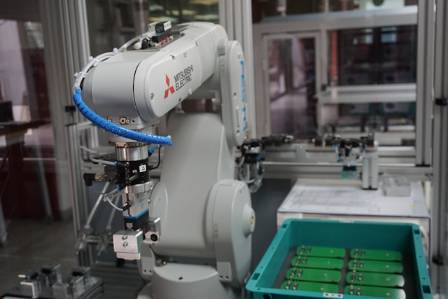
Robots in manufacturing
Robotic automation in the pharmaceutical industry
Fact 6: Robots in pharma are no longer limited to LMHV production
Fact 7: Modularity and flexibility in robotics are key
Andre saker du kanskje liker

Top 10: Floral Still Life Masterpieces
Flowers have long been a timeless muse for artists across eras and movements, transcending mere botanical representation to become vessels of emotion, culture, and creative experimentation. From pop art’s bold reinventions to the delicate elegance of traditional Japanese prints, these 10 floral still lifes reimagine the genre in vivid, unexpected ways—each work a unique dialogue between nature and the artist’s singular vision.

8 Most Valuable Antique Lamps Worth Money
Antique lamps represent a fascinating intersection of functional design and historical craftsmanship. From ornate oil lamps to early electrical fixtures, these pieces offer both aesthetic appeal and investment potential. Here are eight of the most valuable antique lamps that continue to captivate collectors and interior designers alike.

Celestial Phenomena: Exploring Meteors, Fireballs, and Meteor Showers
A meteor, a dazzling streak of light slicing through the night sky, captivates observers as it gracefully traverses the atmosphere. Originating from meteoroids, these celestial travelers offer a mesmerizing display that ranges from brief streaks to intense showers.

The Fundamental Principles of Men’s Casual Attire
Establishing a robust collection of foundational garments makes curated dressing a much simpler task. Once you have secured the essential pieces, you can choose to introduce unique items or remain committed to timeless aesthetics. Perfecting the art of casual wear is straightforward when focusing on the right elements. This manual is designed for the modern man seeking to master everyday style, specifically excluding formal suits and professional corporate wear. After identifying your preferred silhouettes for shirts and trousers, the process simply becomes a matter of strategic coordination.

Thousand Layer Cake
Spekkoek is a unique layered cake from Dutch-Indonesian cuisine, also referred to as spekkuk or kue lapis legit. It’s sometimes called the “Thousand Layer Cake” because of the numerous layers that make up this dessert.

How to Put Together Stylish Yet Comfortable Airport Outfits
From sun-soaked summers in San Sebastián to winter ski getaways in Big Sky, travel has always been one of my favorite subjects to talk about. I truly enjoy hearing how my packing advice or travel wardrobe suggestions help you plan trips or discover outfits that work perfectly on the road. Today, I want to dive into a closely related topic that I’m honestly surprised I haven’t covered before: comfortable airport outfits.

Smart Technologies for Modern Cities
In today’s era, technology is no longer confined to workplaces or personal gadgets—it is increasingly shaping entire cities, optimizing a wide range of public services and urban functions. So-called “smart cities” aim to make it simpler for residents and visitors to navigate traffic, access essential services, manage energy use efficiently, and improve overall quality of life.

Overview: My Personal Selection of Top 5 Professional Colored Pencils
In this article, I’ll be sharing my personal top five picks for professional-grade colored pencils. This list follows up on my earlier ranking of budget-friendly colored pencils. Now, while I'm not entirely sure if this classification is formally endorsed by any official organizations like the UK Colored Pencil Society or the Colored Pencil Society of America, I’ve come to distinguish between “Artist Grade” and “Artist Quality” pencils based on years of hands-on testing and experience.

Top 10 Farm Animals: A Playful Ranking of Agricultural Companions
Dear readers, indulge me as I present to you a whimsical exploration of farm animals, each with its unique charm and quirks. Let's embark on this lighthearted journey together!

Do you know the most popular Japanese sweet?
It is called “dorayaki” and many fans of the famous cartoon series “Doraemon” know it as the favourite sweet of this curious cosmic cat. Undoubtedly, a sweet that stands out for its shape, its taste and its multiple combinations of flavours, becoming today the most fashionable snack not only in the East but also in the West. At Oriental Market we are pleased to present our new Dorayaki range of flavours, you will want to try them all!