Publisering
The Ten Most Important Ukiyo-e Art Prints of All Time
Japanese woodblock printing, known as Ukiyo-e, became highly popular and influential during the Edo Period, impacting not only Japan but also Western art.
Balthazar Wren
Signatur
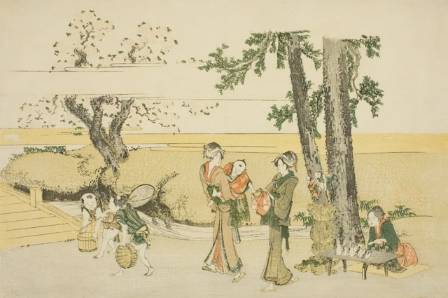
Japanese woodblock printing, known as Ukiyo-e, became highly popular and influential during the Edo Period, impacting not only Japan but also Western art.
True mass production of art printing flourished in Japan as early as the 1600s through Ukiyo-e prints. Between the 17th and 19th centuries, artists like Hiroshige, Hokusai, and Kunichika became household names. Their widely produced prints made them famous, comparable to kabuki actors, military heroes, or celebrated teahouse beauties. The most renowned Ukiyo-e prints fall into five main categories: portraits of beautiful women, landscapes, warriors and heroes, kabuki actors, and shunga (explicit erotic art). Spanning three centuries, the following are the ten most significant Ukiyo-e prints.
1. The Great Wave off Kanagawa
The Great Wave by Katsushika Hokusai, created in 1830 as part of his series 36 Views of Mount Fuji, is the most famous Ukiyo-e print ever. Celebrated in Europe, particularly by French collectors, it has been reproduced extensively over the centuries and remains a symbol of Japanese art worldwide.
2. The Plum Garden at Kameido Shrine
Utagawa Hiroshige’s The Plum Garden at Kameido Shrine (1857) belongs to his series One Hundred Views of Famous Places in Edo. The print inspired Van Gogh in 1887 and became one of the most influential Ukiyo-e artworks. Featuring the Sleeping Dragon Plum tree, praised for its pure double white blossoms, the print symbolized spiritual clarity and beauty.
3. Station Thirty-Two: Seba
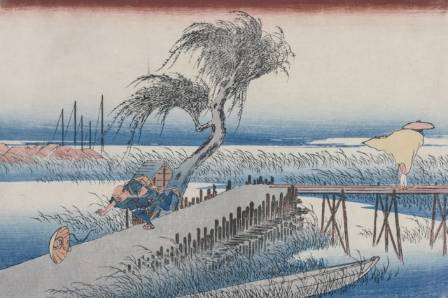
Also by Hiroshige, Station Thirty-Two: Seba is part of the One Hundred Views of Famous Places in Edo. Hiroshige completed this print to finish the Kisokaidō highway series abandoned by Keisai Eisen. His designs often depict people engaged in seasonal activities, rituals, or nature-related tasks, capturing everyday Edo life with elegance.
4. Tako to Ama: The Dream of the Fisherman’s Wife
The Dream of the Fisherman’s Wife by Hokusai (1814) falls under shunga, a category of explicit erotic Ukiyo-e art. Despite restrictions by the Tokugawa shogunate, the print depicts sexual acts creatively without violating censorship laws. Popular in households of the time, it offers a glimpse into Edo-era erotic imagination.
5. The Teahouse Waitress Takashima Ohisa
Katsukawa Shunchō’s print from the 1790s portrays a celebrated teahouse beauty. Ukiyo-e prints of women highlighted contemporary fashion, hairstyles, and subtle erotic appeal. This particular work shows Ohisa covering her face with a fan bearing her crest, while her garments and shimmering background reflect the elegance and seasonal charm of the period.
6. The Beloved Wife’s Particolored Reins
Tōshūsai Sharaku’s 1794 print depicts kabuki actor Otani Oniji III as Edobei in Koi nyobo somewake tazuna. Kabuki actor prints were immensely popular, portraying dramatic expressions, vivid colors, and dynamic scenes. These works celebrate individual actors’ styles and the theatrical culture that remains central to Japanese performance art.
7. The Sea at Satta in Suruya Province
Hiroshige’s landscape The Sea at Satta in Suruya Province (1859) reflects Hokusai’s influence with its sweeping waves. Landscape prints became increasingly popular after the 1830s, signaling a shift from urban and human subjects to nature-focused designs. These prints often served as mementos of famous travel destinations like Mount Fuji.
8. Evening Glow at Ryōgoku Bridge
Torii Kiyonaga’s Evening Glow at Ryōgoku Bridge (1782) demonstrates the use of single-point perspective influenced by European art. The print depicts a view through a round window, creating a realistic sense of depth. This stylistic evolution highlights the cross-cultural exchange affecting Ukiyo-e composition and spatial design.
9. Toki Jūrōzaemon Mitsuchika
Utagawa Kuniyoshi’s print from Heroes of the Great Peace (1848–1850) belongs to the warrior series, which often combined political messages with historical narrative. Restricted from depicting contemporary violence, artists used historical settings or animal symbolism to convey stories of heroism, resistance, and drama. Kuniyoshi’s work shows a warrior aiding wounded comrades while maintaining narrative subtlety and compositional complexity.
10. View of Maruyama in Nagasaki
Utagawa Hiroshige II’s View of Maruyama in Nagasaki (1859) captures classic Edo-era Ukiyo-e elements. Two women, likely sex workers, occupy the foreground, wearing traditional robes, while Western-influenced perspective elevates the background, demonstrating innovations in depth and spatial arrangement. This print exemplifies the fusion of traditional themes with stylistic modernization in late Edo Ukiyo-e.
These ten prints highlight the range, innovation, and cultural significance of Ukiyo-e, from portraits and landscapes to erotic and theatrical depictions. Spanning centuries, they offer insight into Japanese aesthetics, social life, and the international impact of woodblock printmaking.
Andre saker du kanskje liker
Catching the Wind: How Anemometers Measure Air Movement
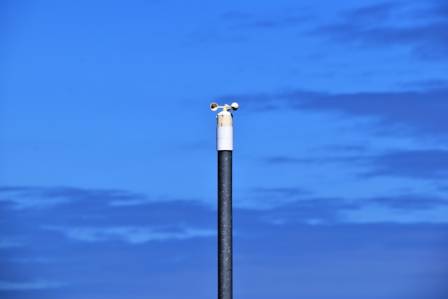
The word anemometer may sound complex, but its purpose is quite straightforward—it measures wind. Derived from Greek roots, “anem-” means wind, while “-meter” simply means to measure. These instruments appear in weather stations everywhere, from small backyard setups to large-scale meteorological centers. By capturing details about air movement, they help us predict storms, plan outdoor activities, and even understand global climate patterns.
Smart Technologies for Modern Cities
In today’s era, technology is no longer confined to workplaces or personal gadgets—it is increasingly shaping entire cities, optimizing a wide range of public services and urban functions. So-called “smart cities” aim to make it simpler for residents and visitors to navigate traffic, access essential services, manage energy use efficiently, and improve overall quality of life.
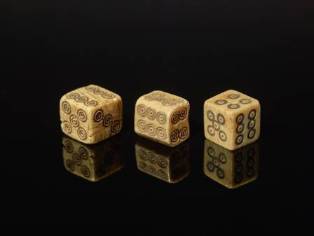
The Dawn of Invention: Eight of the Oldest Artifacts Ever Found
In the field of anthropology, an artifact is defined as any physical object that shows signs of human modification or intervention. While this can technically include features like a primitive fire pit or a hand-dug trench, the term is most often applied to portable items crafted by ancient hands. In recent decades, archaeological breakthroughs have unearthed objects dating back millions of years, forcing researchers to reconsider the true origins of human ingenuity and social complexity.
Greatest Pool Players of All Time
The game of pool has produced countless talented players throughout its history, but a select few have risen above the rest to claim legendary status. These cue sport masters have demonstrated unparalleled skill, consistency, and championship pedigree across various pool disciplines.
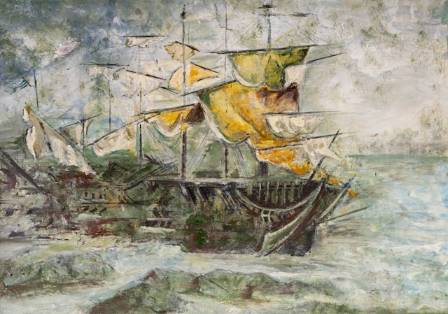
Famous Ship Paintings: Exploring the Timeless Charm of Nautical Art (Rewritten & Expanded)
To discuss the history of human civilization is to inevitably confront the significance of ships—a symbol that transcends mere transportation. For millennia, ships have served as lifelines of global trade, facilitating economic prosperity and cultural exchange across continents; yet, they have also been instruments of colonial expansion and the transatlantic slave trade, bearing witness to humanity’s darkest atrocities. This dual nature of ships—their role as agents of connection and conflict—has made them enduring subjects in the world of art. Nautical paintings, or ship paintings, do more than depict the majestic beauty of vessels on the water; they capture the spirit of their eras, preserving stories of exploration, war, survival, and hope. In this expanded exploration, we will delve into the rich history of marine art, examine ten of the most famous ship paintings that have shaped the genre, and unpack the profound symbolic meanings that ships carry in artistic representation. Whether you are an art enthusiast, a history buff, or simply drawn to the allure of the sea, these works offer a window into the complex relationship between humanity and the ocean.

10 Strategies for Cultivating Confidence in Women
Ever wondered how some women radiate effortless confidence? We discover their 10 top secrets.

The Fundamental Principles of Men’s Casual Attire
Establishing a robust collection of foundational garments makes curated dressing a much simpler task. Once you have secured the essential pieces, you can choose to introduce unique items or remain committed to timeless aesthetics. Perfecting the art of casual wear is straightforward when focusing on the right elements. This manual is designed for the modern man seeking to master everyday style, specifically excluding formal suits and professional corporate wear. After identifying your preferred silhouettes for shirts and trousers, the process simply becomes a matter of strategic coordination.
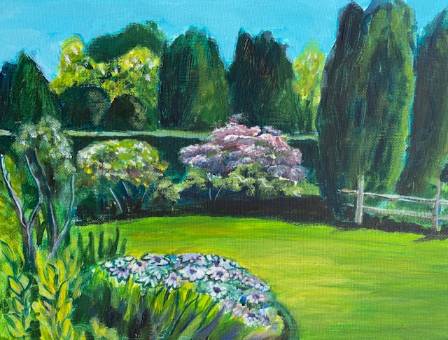
Famous Spring Paintings
During the cold months of winter, the world seems to fall into a quiet sleep, only to awaken again with the arrival of spring. Springtime paintings beautifully capture this sense of renewal and transformation in nature. For artists, depicting spring is a joyful experience, offering endless inspiration through its vibrant colors and lively atmosphere. In the following list, we will explore some of the most celebrated paintings that portray this enchanting season.
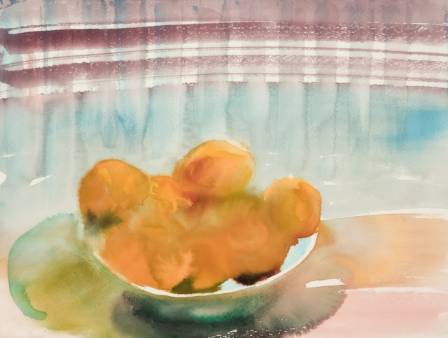
Painting a Watercolor Still Life
Before I started teaching watercolor, I spent my nights shucking scallops on a 100-foot boat at 2 a.m., working alongside tough deckhands. Surprisingly, those chaotic early mornings taught me everything I know about confident, loose watercolor techniques that actually work.
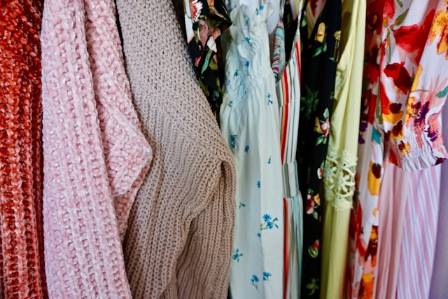
The Essential Guide to Mastering Casual Style
Many of us have stood before a full closet and felt we had nothing to wear. The desire is simple: to look stylish and feel confident without sacrificing comfort. However, navigating trends to find a look that suits your specific age and body type can be overwhelming. This is where casual style becomes the ultimate solution. It occupies the perfect middle ground between aesthetic appeal and daily practicality, allowing you to feel like yourself in any situation.