Publisering
Suggestive Mountions Huts in 7 Areas
Mountain huts, also known as alpine huts, mountain shelters, or mountain lodges, are structures situated in high mountainous regions, typically accessible only by foot. Their primary purpose is to provide food and shelter for mountaineers, climbers, and hikers. These huts are commonly managed by Alpine Clubs or organizations dedicated to mountain recreation.
Evelyn
Signatur
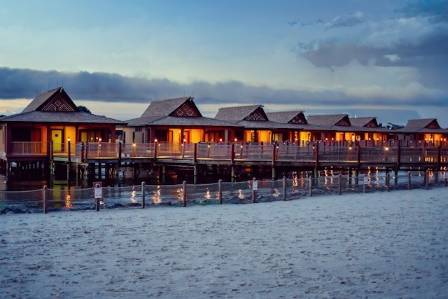
Mountain huts, also known as alpine huts, mountain shelters, or mountain lodges, are structures situated in high mountainous regions, typically accessible only by foot. Their primary purpose is to provide food and shelter for mountaineers, climbers, and hikers. These huts are commonly managed by Alpine Clubs or organizations dedicated to mountain recreation.
The Alps
The tradition of constructing refuges and shelters in the Alps dates back to ancient times, with hospitales along trade routes and cottages on high mountain pastures during the High Middle Ages. The rich history of mountaineering since the 19th century has led to numerous Alpine club huts and private huts along mountaineering paths. These huts vary in facilities and may offer beds or a mattress room for overnight stays. Notable examples include the Margherita Hut, the highest alpine refuge at 4,554 m, and the Rifugio Mario Premuda in Trieste, the lowest refuge in the Alps at 82 m.
Britain
In the United Kingdom, the tradition involves unwardened "climbing huts" providing basic accommodation near climbing grounds. These huts, often conversions of former structures, are not open to passers-by except in emergencies. Climbing clubs in the UK, particularly in Snowdonia or the Lake District, maintain such huts. The Charles Inglis Clark Memorial Hut (CIC Hut) near Ben Nevis is a well-known example.
Norway
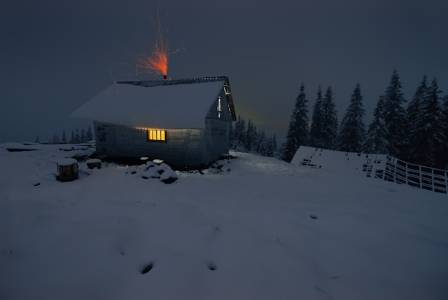
The Norwegian Trekking Association operates around 460 cabins, mostly in mountain and forested areas, with about 400 offering lodgings. Many cabins are unstaffed and open year-round, while staffed cabins are primarily operational in summer.
Poland
In Poland, mountain shelters and huts are primarily run by the Polish Tourist and Sightseeing Society, with some being privately owned. There are about 100 shelters in the Polish mountains, offering multi-person rooms and refreshments. Regulations often require Polish mountain huts to accommodate anyone unable to find another place before sunset.
Slovakia
Slovakia features a dense network of mountain huts ("chata") in mountain and forest regions. While some were managed by the official tourist union in the past, many are now in private hands. Official mountain huts in Slovakia are similar to guest houses, and in winter, some refuges are closed.
United States
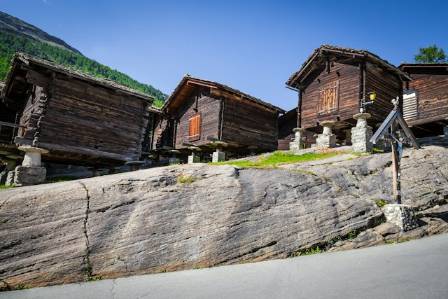
The United States has a considerable number of huts, such as those in the Rocky Mountains and the Appalachian Mountains. The High Huts of the White Mountains in New Hampshire are generally full-service during summer and early fall, with some operating as self-service huts year-round.
Canada
The Alpine Club of Canada oversees the "largest network of backcountry huts in North America." New Zealand: The New Zealand Department of Conservation manages a diverse network of over 950 huts.
Andre saker du kanskje liker

Chinese Folk Clay Art Guide
Chinese folk clay sculpture—often referred to as clay figurine art—is a handcrafted sculptural tradition grounded in everyday experience. Created from natural clay through shaping by hand, carving, and gradual drying, and sometimes strengthened through high-temperature firing, these works preserve impressions of daily life, local traditions, and collective memory.
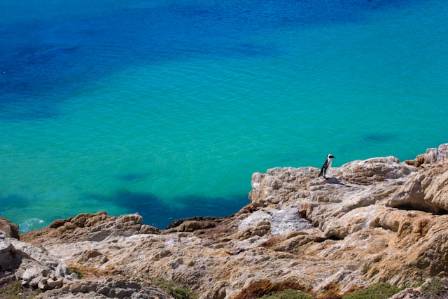
Visiting South Africa’s Famous Penguins: A Stop At Foxy Beach & Boulders Beach
PENGUINS!!! Seriously, I couldn’t start this post any other way, as this was pretty much my reaction every time someone asked what was on my itinerary. One of the highlights of my trip to South Africa was definitely visiting the African penguin colony at Boulders Bay.
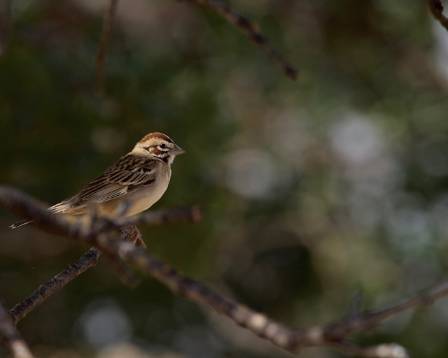
Five Unique Insights Into the Horned Lark
The Horned Lark is a distinctive small songbird that, while somewhat rare in the Estes Valley, can be frequently observed in the high-altitude tundra of Rocky Mountain National Park during the summer. This species is extensively distributed across the United States. In Colorado, these birds favor expansive, open environments such as sagebrush valleys on the high plains, prairie lands, and open agricultural fields along the Front Range. Beyond their preference for wide-open spaces, several fascinating characteristics set this avian species apart from other songbirds.
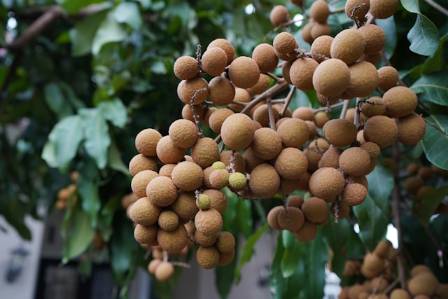
Longan: The Exotic "Dragon Eye" of Southeast Asia
The longan is a small, tropical fruit renowned for its succulent texture and delicate, floral sweetness. Characterized by a thin, bark-like shell and a single dark seed, this fruit has been a cornerstone of Asian culinary and medicinal traditions for millennia. Beyond its unique flavor profile, the longan is prized for its hardy nature, with trees capable of thriving for several centuries.

The 10 Most Iconic Street Artworks Worldwide
Street art emerged in Philadelphia, USA, during the 1960s, fueled by the creative drive of artists like Cornbread and Cool Earl. Long dismissed as a lesser art form, it involves tagging walls, public transport, and buildings. Though illegal and transient—easy to cover up—street art has nonetheless captured the hearts of countless creators. Its goal is to make art accessible and visible to the masses, serving as a medium to convey deeper meanings and provoke thought. Today, some street art pieces command millions of dollars and are recognized as renowned works of art. Artsper presents the 10 most famous street artworks in the world!

The 7 Most Stunning Buses Around the World
Exploring the Most Beautiful Buses Ever Built Buses aren't just about transportation—they can be marvels of design and innovation. Some buses stand out for their exceptional aesthetics, blending functionality with artistic style. From futuristic designs to vintage masterpieces, here’s a list of the seven most visually striking buses from around the globe.

Electric Future? Audi’s Concept C Picks Up Where the TT Left Off
Audi’s new Concept C carries forward the legacy of the TT in a modern, electric form. More than just a single car, it signals a bold new design direction under Audi’s recent creative leadership.
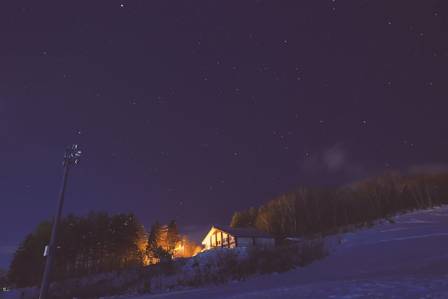
13 Best Places to Stargaze in the US with Naked Eyes
For much of the world’s population, including most Americans, the night sky has lost its brilliance. Artificial light pollution has dulled the once-vibrant celestial canvas, making the Milky Way invisible to more than two-thirds of U.S. residents.
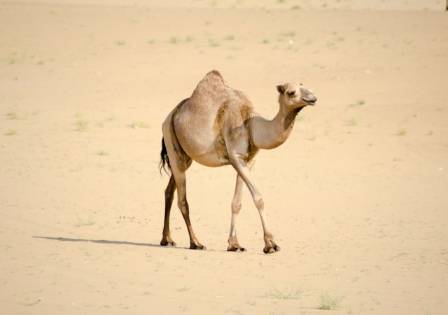
Desert Camels
Camels have been domesticated for over 3,000 years, and humans continue to rely on them for transport across dry and arid regions. They can carry up to 200 pounds (90 kilograms) while traveling 20 miles (32 kilometers) a day in the desert. Camels are capable of moving as fast as horses, yet they can survive for long periods without food or water. Beyond transportation, humans have used camels for milk, meat, wool, leather, and even dung as a source of fuel.
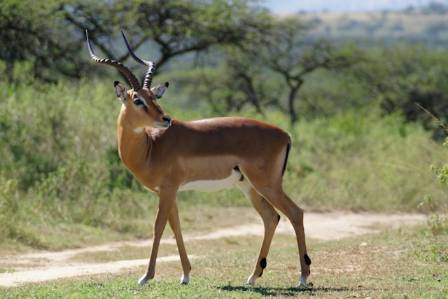
Essential Information Regarding the Global Antelope Population
Antelopes represent a vast and varied category of mammals within the Bovidae family, which also includes cattle. These creatures are indigenous to a wide range of territories, including Africa, Asia, the Middle East, and North America. They are highly adaptable, inhabiting environments as diverse as arid deserts, lush wetlands, rugged mountains, and open savannas. Currently, science recognizes 90 distinct species of antelope; however, 25 of these are presently threatened with extinction. The primary drivers behind their declining numbers are illegal hunting and the destruction of their natural environments.