Publisering
Woodland Waters: A Step-by-Step Landscape Tutorial
This guide demonstrates the process of painting a tranquil forest scene featuring a sunlit stream winding through a woodland. Inspired by the serene beech forests of New Zealand’s South Island, this project focuses on capturing a peaceful atmosphere and the interplay of light on water and foliage. The techniques discussed are applicable to both oil and acrylic painting.
Frederick Beaumont
Signatur
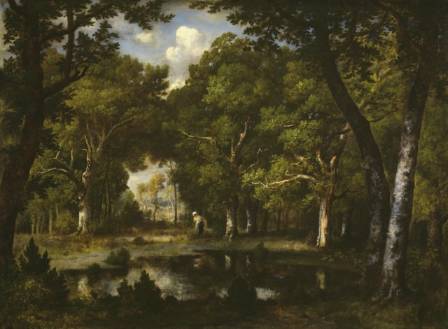
This guide demonstrates the process of painting a tranquil forest scene featuring a sunlit stream winding through a woodland. Inspired by the serene beech forests of New Zealand’s South Island, this project focuses on capturing a peaceful atmosphere and the interplay of light on water and foliage. The techniques discussed are applicable to both oil and acrylic painting.
Composition and Initial Planning
The structure of this piece utilizes an "S" composition. The curve of the river acts as a visual path, guiding the viewer’s gaze from the foreground toward the mid-ground boulders and finally to the vibrant, illuminated greenery in the distance. This curved arrangement is effective for creating a sense of rhythm and flow within a static image.
Before applying paint, it is beneficial to organize the layout with preliminary sketches. Start with small, two-minute thumbnail drawings to explore different arrangements. Once a design is chosen, a more detailed pencil sketch helps establish the "values"—the range of light and dark tones. Accurate value placement is a fundamental requirement for building a realistic and structurally sound painting.
Color Palette and Tool Selection
For this landscape, a specific selection of pigments is used to achieve natural earthy and forest tones. The palette includes Titanium White, Burnt Sienna, Yellow Ochre, Cadmium Yellow, Cadmium Orange, Alizarin Crimson, Ultramarine Blue, and Phthalo Green.
The toolset consists of several flat brushes (No. 5, 3, and 2) for broader shapes, a No. 3 filbert for organic foliage marks, and small round brushes (No. 1 and 0) for the final intricate details.
Stage 1: The Blocking-In Phase
The foundation of the painting is established on a primed linen panel. The first step is to sketch the basic shapes using a thin mixture of Burnt Sienna and a drying medium. This initial drawing serves as a map for the rest of the process.
Always begin by identifying and painting the darkest values and shadows first. By establishing the deep tones early, it becomes much easier to create atmospheric depth and judge the correct intensity for sunlit areas. In this scene, much of the forest is in shadow. The darks in the rocks are mixed from Ultramarine Blue, Burnt Sienna, and Alizarin Crimson, while the shadowed tree foliage uses a dark blend of Ultramarine Blue and Yellow Ochre.
Once the shadows are set, work from the background toward the foreground. The distant "green glow" is created with a mix of Yellow Ochre, Cadmium Yellow, and Ultramarine Blue, tempered with Cadmium Orange to maintain a natural look. For the water, use a combination of Yellow Ochre and Burnt Sienna to represent submerged rocks, applying the brushstrokes in the direction of the current. Highlights are marked in broadly, but the brightest whites are reserved for the very end.
Stage 2: Modeling and Refining Form
After the initial block-in has dried, the next phase involves building detail and defining the specific elements of the woodland. During this stage, the same color combinations are used, but they are applied in lighter layers to "model" the three-dimensional forms of the trees, rocks, and water.
Focus on the canopy by painting "sky holes"—gaps in the leaves where the background light shines through. This helps define the structure of the branches. Refine the boulders by adding reflected light; a touch of warm Burnt Sienna and Yellow Ochre can simulate the light bouncing off the water’s surface. This adds a sense of realism and environmental connection between the different elements of the landscape.
Stage 3: Adding Final Highlights and Harmony
The final stage is dedicated to the finest details and the highest highlights. Using a filbert brush, the suggestion of individual leaves is added to the trees. The highlights on the rocks are reapplied with a lighter value than before to make them truly stand out.
The finishing touch involves painting the sparkles on the water’s surface. Using Titanium White with a tiny amount of Yellow Ochre, these "glints" are placed where the sun hits the ripples. Throughout the process, color harmony is maintained by using shared pigments across different zones—for instance, using the blue and sienna from the rocks within the water reflections as well. This unified palette ties the composition together and ensures the final painting feels cohesive.
Andre saker du kanskje liker
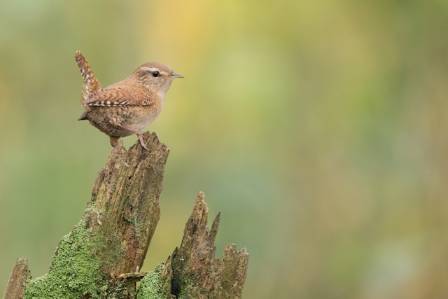
Wren
Tiny brown bird, compact / “round” shape; short, narrow tail often held cocked (upright).
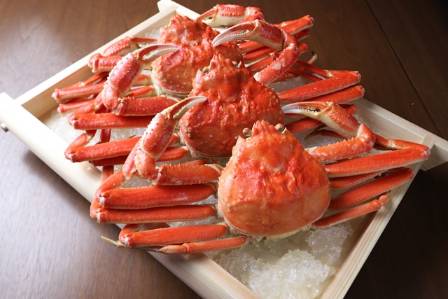
Guide to Preparing and Cooking Fresh Crab
To begin the cooking process, fill a large stockpot with water and add a generous amount of salt—approximately 30g per liter is ideal for seasoning the meat. Bring the liquid to a vigorous boil before proceeding.

The History of Jewelry Boxes
As enthusiasts of jewelry, particularly pearls, we take pride in preserving our favorite pieces so they can endure for a lifetime and even be enjoyed by future generations. Having a secure place to store jewelry is essential for maintaining its condition. While personal preference often determines storage methods, jewelry boxes have a timeless appeal, making them one of the most popular ways to protect treasured items.

Chopped Bagels: The Viral Breakfast Trend Taking the Internet by Storm
Americans have a long-standing, passionate relationship with bagels—one that often sparks lively debates and cultural moments. Who can forget the great bagel emoji controversy, or Cynthia Nixon’s infamous order: a cinnamon-raisin bagel piled high with cream cheese, lox, red onion, capers, and tomatoes, which some media outlets dubbed a “crime against humanity” and “the strangest bagel of all time”? Even Ina Garten, the beloved culinary icon, faced mild backlash earlier this month for her unorthodox bagel-slicing technique. It’s clear that bagels aren’t just a breakfast food—they’re a cultural touchstone, and the latest viral iteration, chopped bagels, has only amplified this obsession. While the trend has its detractors (some argue it sacrifices “sandwich integrity” for virality), its overwhelming popularity on TikTok—where thousands of creative recipes and tutorials have gone viral—and the skyrocketing traffic to Allrecipes’ own riffs (like the 2.8 million-view California BLT Chopped Bagel on Instagram) prove that chopped bagels are more than a passing fad. They’re a clever, convenient twist on a classic, resonating with home cooks who crave balance, flavor, and that perfect bite in every mouthful.
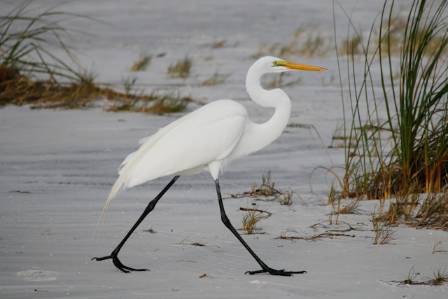
An Overview of Egrets: Biology and Conservation
Egrets are prominent wading birds belonging to the Ardeidae family, closely linked to herons. Within the biological hierarchy, they fall under the kingdom Animalia, phylum Chordata, and the class Aves. Taxonimically, they are categorized within the order Ciconiiformes, consisting of 11 distinct species distributed across four specific genera.

Exploring Nine Distinctive Types of Burgers
In the vast and vibrant landscape of modern cuisine, burgers have firmly established themselves as a beloved staple, constantly evolving and presenting a remarkable array of flavors and dining experiences. Whether served at casual diners or upscale restaurants, burgers have managed to captivate the taste buds of countless people around the world. Let's take a closer look at nine different types of burgers that each bring something unique to the table.

Chinese Folk Clay Art Guide
Chinese folk clay sculpture—often referred to as clay figurine art—is a handcrafted sculptural tradition grounded in everyday experience. Created from natural clay through shaping by hand, carving, and gradual drying, and sometimes strengthened through high-temperature firing, these works preserve impressions of daily life, local traditions, and collective memory.
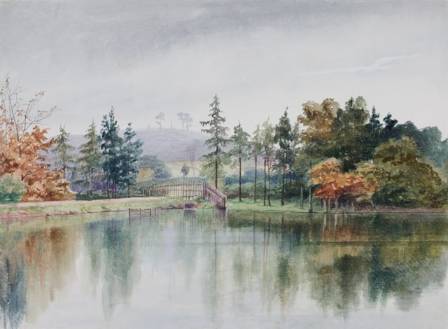
How To Paint A Pond In Watercolor
Watercolor painting is a truly magical medium—water itself becomes part of the creative process, producing soft blends and beautiful surprises on the page. Today, we will go through a step-by-step guide on how to paint a pond in watercolor, accompanied by a video tutorial you can follow along with at your own pace.

The Essential Guide to Mastering Casual Style
Many of us have stood before a full closet and felt we had nothing to wear. The desire is simple: to look stylish and feel confident without sacrificing comfort. However, navigating trends to find a look that suits your specific age and body type can be overwhelming. This is where casual style becomes the ultimate solution. It occupies the perfect middle ground between aesthetic appeal and daily practicality, allowing you to feel like yourself in any situation.

10 Fascinating Facts About Pelicans
Pelicans are among nature's most distinctive birds, easily recognized by their oversized beaks and dramatic feeding techniques. Beyond their unique appearance, these birds boast a wealth of surprising traits. Here are ten remarkable things you might not know about them: