Tilbake til forsiden

Publisering

Ichigo Daifuku: Japan’s Cherished Strawberry Mochi Dessert – History, Recipe, and Allure

Ichigo Daifuku (いちご大福), also known as strawberry mochi, is a beloved seasonal dessert that captures the essence of spring in Japan. This iconic wagashi (traditional Japanese sweet) stands out among classic daifuku varieties for its innovative use of whole strawberries as the centerpiece, wrapped in a thin layer of sweet red bean paste (anko) and encased in soft, chewy white mochi. The magic of Ichigo Daifuku lies in its harmonious flavor combination: the delicate sweetness of mochi, the rich creaminess of anko, and the juicy, slightly tart burst of fresh strawberry create a taste experience that feels both indulgent and refreshing. Beyond its delightful flavor, it has become a cultural symbol of seasonal joy, cherished by locals and sought after by travelers eager to savor authentic Japanese confectionery.

M

Mia

Signatur

Ichigo Daifuku: Japan’s Cherished Strawberry Mochi Dessert – History, Recipe, and Allure

Introduction

Ichigo Daifuku (いちご大福), also known as strawberry mochi, is a beloved seasonal dessert that captures the essence of spring in Japan. This iconic wagashi (traditional Japanese sweet) stands out among classic daifuku varieties for its innovative use of whole strawberries as the centerpiece, wrapped in a thin layer of sweet red bean paste (anko) and encased in soft, chewy white mochi. The magic of Ichigo Daifuku lies in its harmonious flavor combination: the delicate sweetness of mochi, the rich creaminess of anko, and the juicy, slightly tart burst of fresh strawberry create a taste experience that feels both indulgent and refreshing. Beyond its delightful flavor, it has become a cultural symbol of seasonal joy, cherished by locals and sought after by travelers eager to savor authentic Japanese confectionery.

What Is Ichigo Daifuku?

At its core, Ichigo Daifuku is a straightforward yet elegant sweet: a whole, fresh strawberry is first coated in a thin layer of smooth anko (sweet red bean paste), then wrapped in a soft, pliable sheet of mochi made from pounded glutinous rice. The mochi exterior is typically dusted with rice flour, cornstarch, or potato starch to prevent sticking, giving it a subtle powdery texture that contrasts with its chewy interior. Unlike other daifuku varieties that rely solely on bean paste or other fillings, Ichigo Daifuku’s use of fruit adds a vibrant pop of color (the bright red strawberry peeking through the pale mochi) and a refreshing juiciness that balances the sweetness of the anko and mochi. It is usually around 4 centimeters in diameter, making it a perfectly portioned treat to enjoy with a cup of green tea, enhancing the overall wagashi experience.

The History of Ichigo Daifuku

While Ichigo Daifuku feels like a timeless part of Japanese confectionery to many, its history is surprisingly recent, dating back to the 1980s. The exact origin is a subject of debate, with several confectionery shops claiming to have invented it, but the most widely recognized story credits Wahei Osumi, the third-generation president of Tamaya (a renowned wagashi shop), with creating the first version in 1985. Initially, the idea of placing a strawberry inside daifuku was met with uncertainty, and it did not gain immediate popularity. However, its fortunes changed dramatically—seemingly overnight, the unique combination of chewy mochi, sweet anko, and juicy strawberry captivated consumers, with Tamaya struggling to keep up with demand. The first to notice its rising popularity were employees of Fuji TV, whose headquarters were near Tamaya’s Daikaku branch, and the sweet quickly became a topic of conversation in the confectionery industry due to its unprecedented use of fresh fruit in daifuku. In 1987, it gained national fame after being featured on the popular music program “The Best Ten,” and its success is credited with revitalizing the Japanese sweets industry, which was facing a slump at the time. For Heisei-era (1989–2019) babies, Ichigo Daifuku is often regarded as a classic, but its relatively short history underscores its status as a innovative twist on traditional wagashi.

What Is Daifuku?

To fully appreciate Ichigo Daifuku, it helps to understand its foundation: daifuku, a staple of Japanese traditional sweets. Daifuku (大福), which literally translates to “great luck,” consists of soft, chewy mochi wrapped around a filling—most commonly anko (sweet red bean paste). Made from pounded glutinous rice, the mochi exterior is tender yet elastic, providing a satisfying texture that complements the smooth, sweet filling. Daifuku comes in various colors, including white, pale green, and pale pink, often reflecting seasonal ingredients or flavor variations, and is typically around 4 centimeters in diameter. It is a popular wagashi served alongside green tea in tea ceremonies, cafes, and confectionery shops, and is enjoyed year-round. While anko is the classic filling, daifuku varieties have expanded to include ingredients like matcha, fruit, and even savory options, but the core concept of chewy mochi surrounding a flavorful center remains consistent. Like Ichigo Daifuku, most daifuku are dusted with starch to prevent sticking and are best enjoyed fresh.

Ingredients of Ichigo Daifuku

One of the appealing aspects of Ichigo Daifuku is that its ingredients are easily accessible, with most available in convenience stores or Asian grocery stores—no specialty items required. For a batch of 12 servings, you will need 12 fresh strawberries (firm and ripe for the best texture), 1.5 cups of glutinous sweet rice flour (mochiko), 0.5 cups of sugar, 1.5 cups of water, and 18 ounces of sweet red bean paste (anko). If you prefer not to make anko from scratch, pre-packaged versions are readily available, making the preparation process even simpler. The key to a delicious Ichigo Daifuku lies in using high-quality, fresh strawberries, as their juiciness and tartness are essential to balancing the sweetness of the anko and mochi.

How to Make Ichigo Daifuku (Step-by-Step Recipe)
Making Ichigo Daifuku at home is a rewarding and straightforward process that results in a fresh, healthier version of the store-bought treat. Begin by preparing the strawberries and anko: rinse the strawberries thoroughly, pat them dry, and remove any green stems; then, wash your hands (as mochi can get very sticky) and shape the anko into small balls, each large enough to wrap around a strawberry. Next, mix the sugar and water in a large saucepan, bring the mixture to a boil, remove it from heat, and stir in the glutinous rice flour until the mixture is smooth; return the pot to low heat and let it cool for 15 minutes, stirring occasionally to prevent lumps. Once the mochi mixture has cooled slightly, take small portions (about the size of a walnut) and shape them into balls, then flatten each ball into a thin, circular sheet—dust your hands and work surface with rice flour, cornstarch, or potato starch to prevent sticking. Place a strawberry wrapped in anko in the center of each mochi sheet, then gently pull the edges of the mochi up around the filling, pinching them together at the top to seal; twist the sealed end to ensure it is secure, then use both hands to shape the daifuku into a neat, round ball. Repeat this process for the remaining strawberries and mochi mixture. Finally, serve the Ichigo Daifuku at room temperature—do not refrigerate them, as the mochi will harden, and consume them within 2 days for the best texture and freshness.

Health Benefits of Ichigo Daifuku

Unlike many sweet treats, Ichigo Daifuku offers modest health benefits, making it a guilt-free indulgence when enjoyed in moderation. One piece typically contains around 150 calories, which is lower than many other Japanese confectioneries, making it a suitable option for those watching their calorie intake or following a weight loss plan. Strawberries, the star ingredient, are rich in vitamin C (62 mg per 100 g), which supports immune health, helps prevent colds, and promotes healthy, glowing skin—especially beneficial after sun exposure or during illness. They also contain xylitol, a natural sweetener that helps prevent tooth decay, and dietary fiber that supports a healthy gut environment. The anko (red bean paste) adds additional nutritional value: azuki beans (the main ingredient in anko) are high in water-soluble dietary fiber, which aids digestion, relieves constipation, and improves stool regularity. Anko also contains anthocyanins (powerful antioxidants) and vitamin B1, which helps convert carbohydrates into energy, supporting overall metabolic health. Combined, these ingredients make Ichigo Daifuku not only delicious and low in calories but also packed with nutrients that nourish the body.

Conclusion

Ichigo Daifuku is more than just a dessert—it is a celebration of seasonal Japanese ingredients and the art of wagashi-making. Its visually striking appearance (bright red strawberries peeking through pale mochi and anko) and harmonious flavor profile make it a joy to eat, while its relatively short history showcases the innovation within Japan’s traditional confectionery scene. While the classic version features anko, variations abound: some use shiroan (white bean paste) instead of red anko, others add a layer of whipped cream for extra richness, and all highlight the freshness of seasonal strawberries. As a seasonal treat, Ichigo Daifuku is typically available from winter to spring, when strawberries are at their peak ripeness, making it a must-try for anyone visiting Japan during this time. Whether homemade or enjoyed from a renowned Tokyo shop, it offers a taste of Japan’s culinary heritage—simple, elegant, and deeply satisfying. For lovers of Japanese sweets, Ichigo Daifuku is not just a dessert; it is a memorable experience that captures the warmth and tradition of wagashi.

Andre saker du kanskje liker

Autonomous Mobility with Robotic Arms

Autonomous Mobility with Robotic Arms

Deep Robotics is reshaping intelligent mobility through Arm-powered physical AI robots designed for real-world applications.

RRiley Parker
10 Fascinating Facts About Pelicans

10 Fascinating Facts About Pelicans

Pelicans are among nature's most distinctive birds, easily recognized by their oversized beaks and dramatic feeding techniques. Beyond their unique appearance, these birds boast a wealth of surprising traits. Here are ten remarkable things you might not know about them:
VVictor Hale
Japanese Daifuku: An Overview of Varieties and Heritage

Japanese Daifuku: An Overview of Varieties and Heritage

Daifuku is a celebrated traditional Japanese confection consisting of a soft rice cake shell stuffed with various sweet ingredients. Available in an array of colors and profiles, these treats are a staple of Japanese snack culture, offering options that cater to every palate.

IIsabella Jane Kensington
The top 10 prosperous cities in America

The top 10 prosperous cities in America

As the saying goes, money makes the world go round. But wealth also tends to cluster, with affluent individuals gravitating toward certain cities where they can mingle and compare fortunes. The Henley 2024 World’s Wealthiest Cities Report, compiled in collaboration with global data intelligence firm New World Wealth, highlights the top cities where millionaires reside.
MMike
Do you know the most popular Japanese sweet?

Do you know the most popular Japanese sweet?

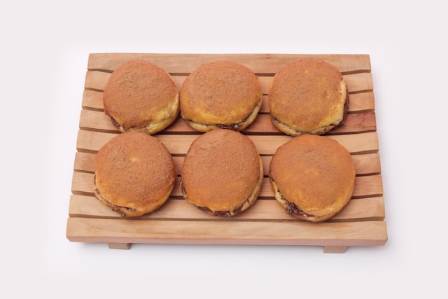
It is called “dorayaki” and many fans of the famous cartoon series “Doraemon” know it as the favourite sweet of this curious cosmic cat. Undoubtedly, a sweet that stands out for its shape, its taste and its multiple combinations of flavours, becoming today the most fashionable snack not only in the East but also in the West. At Oriental Market we are pleased to present our new Dorayaki range of flavours, you will want to try them all!
BBelle
Essential Blueberry Cake Recipes for Every Baker

Essential Blueberry Cake Recipes for Every Baker

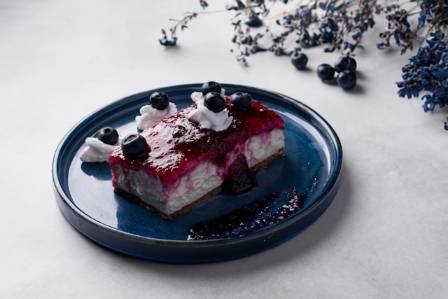
Blueberries from California are a premier ingredient, renowned for their vibrant flavor and adaptability in the kitchen. Whether incorporated into a dense pound cake or a chilled no-bake dessert, these berries provide a distinctive and delicious profile to any bake. The peak window for these succulent fruits occurs between April and June, a period when they reach their maximum juiciness. These sweet, plump berries are readily accessible at local agricultural markets and grocery outlets throughout the region. The following collection highlights a variety of recipes that demonstrate the diverse ways these berries can elevate a simple cake into a culinary highlight.

SSophia Claire Remington
The World's Most Stunning Shorelines

The World's Most Stunning Shorelines

From powdery white sands to dramatic cliffs meeting the sea, the planet boasts countless breathtaking coastal escapes. Whether you seek thrilling water sports, serene relaxation, or vibrant marine life, these exceptional shorelines promise unforgettable experiences. Here are 10 of the most magnificent beaches across the globe, each offering its own unique charm.  

NNora Coleman
6 Health Benefits of Outdoor Activities

6 Health Benefits of Outdoor Activities

In today's fast-paced world, the simple act of stepping outside can do wonders for your physical, mental, and emotional well-being. The healing touch of nature offers a multitude of health benefits that are often overlooked in our daily routines. Here are some compelling reasons why spending time outdoors should be a priority in your lifestyle:

DDavid
The Top 10 Tropical Islands You Should Consider

The Top 10 Tropical Islands You Should Consider

When you think of paradise, you likely imagine white-sand beaches, crystal-blue water, and palm trees stretching into the horizon. That’s the vibe of a great tropical island — those places where time seems to slow and the stresses of the world fade away. After spending years travelling and exploring many such islands, this list compiles Matt’s favourite and best tropical islands across budgets, travel-styles and interests.

MMason Reed
An Introductory Guide to Floral Painting with Water-Mixable Oils

An Introductory Guide to Floral Painting with Water-Mixable Oils

Transitioning from the delicate nature of watercolors to the substantial world of oil painting offers a unique opportunity to explore texture and depth. While traditional oils are known for their heavy consistency and distinct scent, water-mixable oils provide a versatile alternative that maintains the rich qualities of the medium while allowing for easier cleanup. This guide explores the experimental journey of capturing a botanical scene by embracing the specific strengths of the oil medium.

JJulian Everett Rhodes