Publisering
An Introductory Guide to Floral Painting with Water-Mixable Oils
Transitioning from the delicate nature of watercolors to the substantial world of oil painting offers a unique opportunity to explore texture and depth. While traditional oils are known for their heavy consistency and distinct scent, water-mixable oils provide a versatile alternative that maintains the rich qualities of the medium while allowing for easier cleanup. This guide explores the experimental journey of capturing a botanical scene by embracing the specific strengths of the oil medium.
Julian Everett Rhodes
Signatur
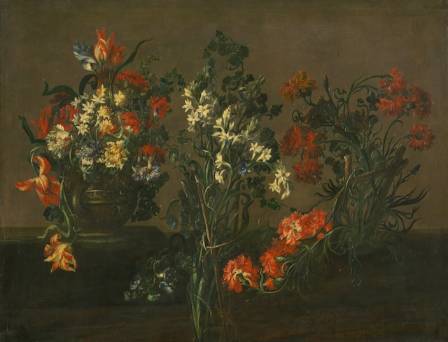
Transitioning from the delicate nature of watercolors to the substantial world of oil painting offers a unique opportunity to explore texture and depth. While traditional oils are known for their heavy consistency and distinct scent, water-mixable oils provide a versatile alternative that maintains the rich qualities of the medium while allowing for easier cleanup. This guide explores the experimental journey of capturing a botanical scene by embracing the specific strengths of the oil medium.
Traditional oils are often perceived as stubborn and thick, sitting exactly where they are placed on the canvas. However, as you work through a project, you may find that the very qualities that feel "clumsy" compared to watercolor are actually beautiful in their own right. By rediscovering the tactile sensation of mixing creamy paint with a palette knife and experimenting with surface textures, you can find new ways to express the life and movement of flowers.
Preparation and Initial Composition
To begin, prepare your surface using a medium such as MDF board coated with an acrylic primer. Adding a small amount of filler to the primer can help accelerate drying times. Many artists find that using a palette knife for the initial stages feels more gestural and expressive than a brush. Instead of trying to mimic the transparent marks of watercolor, focus on what the oil paint can do uniquely, which fosters a more positive and creative mindset.
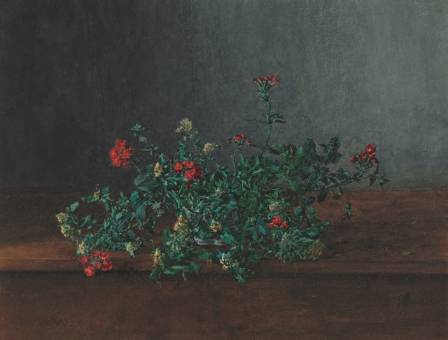
Choosing a familiar subject, such as daisies nestled at the base of a tree, helps reduce unnecessary challenges during the transition. One significant adjustment is moving from the light-to-dark approach of watercolor to the dark-to-light method typical of oils. If the base coat feels too pale, you can use a rag and water to lift paint where the flowers will be placed. While white oil paint is quite opaque, creating these "voids" can help ensure the final petals retain their intended brilliance.
Building Atmosphere and Texture
Developing the background requires applying thick, dark pigments to establish shadows, such as those found under a hedge or along a tree trunk. A palette knife is excellent for scraping and smoothing these layers to create varied color mixes. It is important to note that artificial light can create a significant glare on wet oil paint, which may make it difficult to judge color and texture accurately; working in natural daylight is often preferable for this reason.
To create softer, more ethereal textures like those found in meadow grasses, try applying paint with a brush and then blending it out with a paper towel. Mixing purples into various shades of green can add depth to the shadows and imply a gentle sense of movement. Once these initial layers are set, you can return with a palette knife for more structured elements or even use a toothbrush to flick fine specks of paint over seed heads to simulate the wind.
Refining Details and Final Adjustments
When painting the flowers themselves, use a combination of pure white for highlighted petals and slightly tinted whites for those in shadow. To create a clear focal point, paint a few blooms in sharp focus while leaving others slightly blurred. Achieving fine, sharp lines can be difficult with oils, as thinning the paint to increase its flow also increases its transparency. This requires a careful balance between the thickness of the paint and the precision of the stroke.
Finalize the piece by drawing into the wet paint with a palette knife to define individual blades of grass and darker, indistinct foliage. It is easy to overwork this stage, so observe the composition frequently from a distance. While the freshness of watercolor remains a classic choice for floral subjects, the unique qualities of water-mixable oils—such as their rich texture and the physical sensation of the paint—bring a distinct and satisfying character to the finished work.
Andre saker du kanskje liker
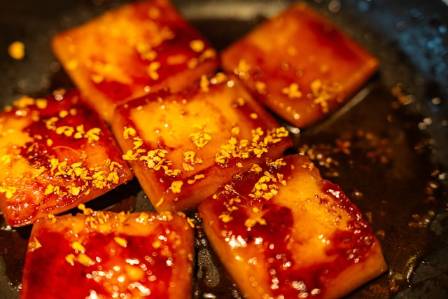
How To Make Osmanthus Cake
Osmanthus Cake, or “Gui Hua Nian Gao” , is a cherished traditional dessert often enjoyed during the Spring Festival in China. Made with glutinous rice, fragrant osmanthus blossoms, and sugar, this treat represents prosperity and joy for the year ahead. Its lightly sweet, floral taste combined with a soft, chewy texture makes it a favorite among many.

Los coches deportivos más emblemáticos de todos los tiempos
Los propietarios de coches deportivos actuales tienen innumerables razones para elegir los vehículos de sus sueños. Algunos están obsesionados con el profundo rugido de un potente motor cuando acelera, mientras que otros prefieren la agilidad y la maniobrabilidad de los coches deportivos a los sedanes y los SUV.
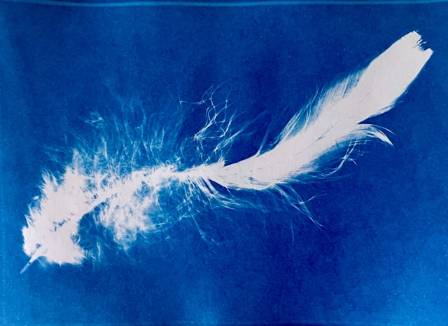
Comprehensive Guide to Artistic Painting on Feathers
Feathers offer a remarkable and unconventional medium for artists, serving as both a naturally beautiful object and a versatile canvas for creative expression. Whether you are illustrating realistic wildlife or abstract patterns, painting on feathers requires a specific set of techniques to handle the delicate texture of the quills while ensuring a lasting finish.
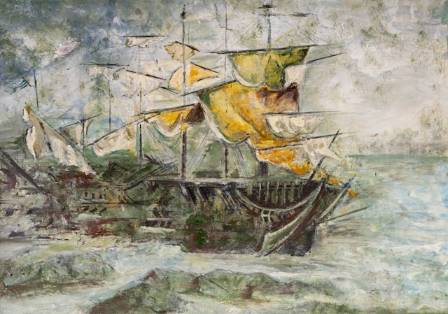
Famous Ship Paintings: Exploring the Timeless Charm of Nautical Art (Rewritten & Expanded)
To discuss the history of human civilization is to inevitably confront the significance of ships—a symbol that transcends mere transportation. For millennia, ships have served as lifelines of global trade, facilitating economic prosperity and cultural exchange across continents; yet, they have also been instruments of colonial expansion and the transatlantic slave trade, bearing witness to humanity’s darkest atrocities. This dual nature of ships—their role as agents of connection and conflict—has made them enduring subjects in the world of art. Nautical paintings, or ship paintings, do more than depict the majestic beauty of vessels on the water; they capture the spirit of their eras, preserving stories of exploration, war, survival, and hope. In this expanded exploration, we will delve into the rich history of marine art, examine ten of the most famous ship paintings that have shaped the genre, and unpack the profound symbolic meanings that ships carry in artistic representation. Whether you are an art enthusiast, a history buff, or simply drawn to the allure of the sea, these works offer a window into the complex relationship between humanity and the ocean.

The 10 Most Powerful Classic Muscle Cars
When it comes to high-powered muscle cars and unadulterated American horsepower, Carly Simon hit the nail on the head: these truly were the good old days. The Chevrolet Camaro ZL1 cranks out a minimum of 650 SAE net horsepower. Ford’s Shelby GT500 raises the bar to 760 horses. Still not enough? Dodge’s Hellcat Redeye Jailbreak models push the envelope to a whopping 807 horsepower. All these modern beasts fire up with a single turn of the key (or press of a button), can run 100,000 miles without a tune-up, and deliver fuel efficiency no worse than the 145-horsepower 1982 Camaro Z-28.
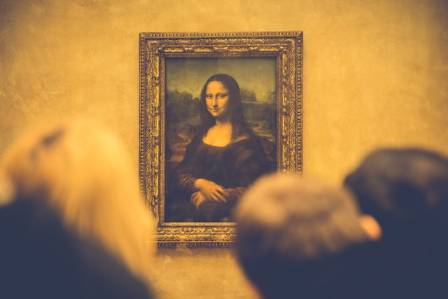
6 Exceptional Artworks of All Time
Throughout history, certain masterpieces have left an indelible mark on humanity. These artworks not only shaped artistic movements but also influenced fashion trends and introduced new styles and artistic values. More importantly, they have served as a wellspring of inspiration for countless individuals, encouraging creativity and innovation.
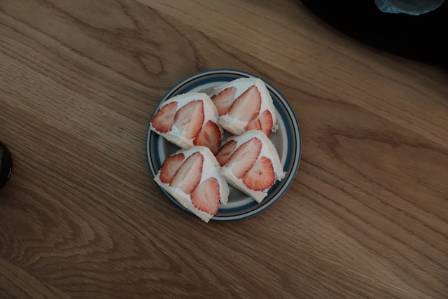
Ichigo Daifuku: Japan’s Cherished Strawberry Mochi Dessert – History, Recipe, and Allure
Ichigo Daifuku (いちご大福), also known as strawberry mochi, is a beloved seasonal dessert that captures the essence of spring in Japan. This iconic wagashi (traditional Japanese sweet) stands out among classic daifuku varieties for its innovative use of whole strawberries as the centerpiece, wrapped in a thin layer of sweet red bean paste (anko) and encased in soft, chewy white mochi. The magic of Ichigo Daifuku lies in its harmonious flavor combination: the delicate sweetness of mochi, the rich creaminess of anko, and the juicy, slightly tart burst of fresh strawberry create a taste experience that feels both indulgent and refreshing. Beyond its delightful flavor, it has become a cultural symbol of seasonal joy, cherished by locals and sought after by travelers eager to savor authentic Japanese confectionery.

The Essential Guide to Mastering Casual Style
Many of us have stood before a full closet and felt we had nothing to wear. The desire is simple: to look stylish and feel confident without sacrificing comfort. However, navigating trends to find a look that suits your specific age and body type can be overwhelming. This is where casual style becomes the ultimate solution. It occupies the perfect middle ground between aesthetic appeal and daily practicality, allowing you to feel like yourself in any situation.

Your Comprehensive Guide to Skiing in Japan
Everything You Need to Know About the Japanese Ski Season Teach a person to fish, and they'll never go hungry again. Teach a person to ski or snowboard, and they'll spend a lifetime craving downhill runs and pristine powder snow. When it comes to one of the world's premier ski destinations, Japan undoubtedly tops the list.
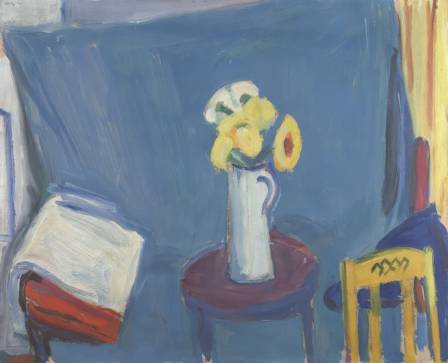
Top 10: Floral Still Life Masterpieces
Flowers have long been a timeless muse for artists across eras and movements, transcending mere botanical representation to become vessels of emotion, culture, and creative experimentation. From pop art’s bold reinventions to the delicate elegance of traditional Japanese prints, these 10 floral still lifes reimagine the genre in vivid, unexpected ways—each work a unique dialogue between nature and the artist’s singular vision.