Publisering
An Overview of Indian Culinary Traditions
Indian cuisine encompasses the diverse array of food and cooking techniques traditional to the Indian subcontinent. Rather than being a single, uniform style of cooking, it is a vast collection of regional cuisines shaped by a variety of climates, soil conditions, religious beliefs, and cultural histories. With roots stretching back to prehistoric times, these traditions have expanded globally alongside the Indian diaspora. Historically, the pursuit of Indian spices was a primary catalyst for the European Age of Discovery, fundamentally altering the course of world history.
Dorothy May Edwards
Signatur
Indian cuisine encompasses the diverse array of food and cooking techniques traditional to the Indian subcontinent. Rather than being a single, uniform style of cooking, it is a vast collection of regional cuisines shaped by a variety of climates, soil conditions, religious beliefs, and cultural histories. With roots stretching back to prehistoric times, these traditions have expanded globally alongside the Indian diaspora. Historically, the pursuit of Indian spices was a primary catalyst for the European Age of Discovery, fundamentally altering the course of world history.
Foundational Elements of Indian Cooking
The geography of India is the primary driver of its culinary variety. In the north, the fertile plains fed by Himalayan rivers support vast wheat production, which serves as the base for many breads. Conversely, the arid landscapes of Rajasthan and the rocky Deccan Plateau in the south are better suited for drought-resistant crops like corn and various millets. Regions with high rainfall, such as the western coast and the northeast, are the heartlands of rice cultivation, a water-intensive staple for millions.
Legumes, or pulses, are equally vital to the national diet. The term "dal" refers to both raw and cooked lentils, which are prepared in countless ways across the country. These protein-rich seeds are hardy and grow in diverse soils, complementing the grains that form the bulk of most meals. While wheat is often ground into flour (atta) for flatbreads like roti, rice has been a dietary pillar for over eight thousand years, particularly in southern and western territories.
India’s tropical climate supports a massive variety of indigenous produce, including mangoes, eggplants, and jackfruit. Over time, external trade brought new ingredients; Portuguese merchants in the 16th century introduced staples like tomatoes, potatoes, and chili peppers, which are now inseparable from modern Indian recipes. Spices, however, remain the most distinctive feature. Turmeric, ginger, cardamom, and black pepper are native to the land and are used not just for flavor but for their medicinal properties. These are often blended into regional versions of "garam masala" to provide depth and aroma to dishes.
Historical Evolution of Food Traditions
The culinary history of India has evolved through several distinct eras. During the early Vedic period, nomadic pastoralists prioritized dairy products, particularly ghee (clarified butter), which remains a sacred and popular ingredient. As agriculture expanded and urbanization took hold in the first millennium BCE, the concepts of nonviolence (ahimsa) and compassion led to a rise in vegetarianism, a trend heavily reinforced by the philosophies of Buddhism and Jainism.
The Islamic influence, beginning in the first millennium CE, introduced a "Mughlai" style of cooking characterized by rich gravies, dried fruits, and grilled meats like kebabs. The iconic biryani—a complex dish of spiced rice and meat—evolved during this period from Persian roots. Later, the caste system introduced specific dietary guidelines and taboos, such as the avoidance of certain vegetables and restrictions on sharing meals between different social groups.
Regional Variations Across the Subcontinent
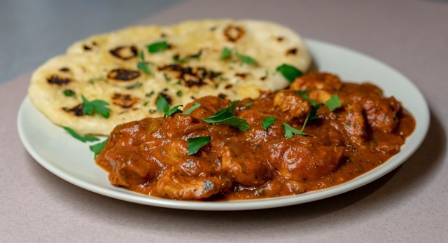
Cooking styles in North India are heavily influenced by Persian and Central Asian methods, featuring dairy-rich gravies and the use of the tandoor, a clay oven for baking naan. Wheat is the dominant starch, and snacks like the deep-fried samosa are ubiquitous. Moving east to Bengal and Odisha, mustard oil becomes the preferred cooking medium, and the flavors are often more subtle, with a heavy emphasis on freshwater fish and rice.
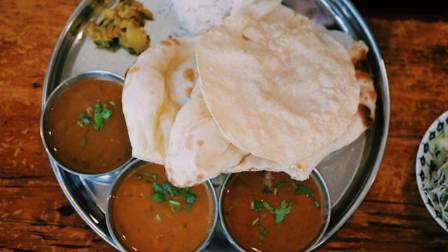
In South India, rice remains the undisputed staple, typically served with sambar—a tangy lentil and tamarind stew—and various fermented rice cakes like idli. Coconut and sesame oils are commonly used, and the food is often served on traditional banana leaves. The western coast offers its own unique profiles; Goa retains a strong Portuguese legacy with vinegar-based dishes like vindaloo, while Gujarat is known for its predominantly vegetarian cuisine that often incorporates a touch of sweetness.
Global Influence and the Diaspora
Today, Indian cuisine is a global phenomenon. As Indian communities migrated to the Caribbean, Southeast Asia, and Africa, they adapted their recipes to local ingredients, creating unique fusion dishes. In South Africa, "bunny chow" serves curry inside a hollowed-out loaf of bread, while in the United Kingdom, chicken tikka masala has become a national favorite. From the street stalls of Singapore to the high-end restaurants of North America, the complex flavors of India continue to influence the global palate.
Andre saker du kanskje liker

Top 10 Casual Outfit Ideas for Women 2025
Fashion in 2025 is all about mixing comfort with confidence. Whether it’s a relaxed day at home, a coffee date, or a city stroll, these casual outfit inspirations strike the right balance between trendy and practical. Here are ten standout looks to refresh your wardrobe this year.

Top 10 Most Iconic Buildings in the World
Hagia Sophia stands on the site of a 4th-century church—of which no trace remains—and has long been a focal point in Istanbul (formerly Constantinople). Today, this grand structure operates as a museum, but its role has shifted over time: for centuries, it served as a core site of the Greek Orthodox Church, later transforming into an Islamic mosque.

Crucial Insights for Your Amman, Jordan Adventure
A visit to Jordan often begins with a landing at Amman's international airport. When planning your Jordan adventure, a key question arises: should you explore the city of Amman itself?

7 Science-Supported Advantages of Indoor Plants
Indoor gardening continues to grow in popularity, driven by Instagram’s interior designs filled with greenery, plant-focused podcasts, and online plant subscription services such as Lazy Flora and Grounded.
Effects on Your Body When You Increase Fruit and Vegetable Intake
Within the realm of nutrition, debates abound about what's truly beneficial or detrimental. However, one consensus prevails: a call to incorporate more fruits and vegetables into our diets. You don't need to be a math whiz to grasp the notion of consuming five daily servings of fruits and veggies, but do you know what this recommendation truly entails?

Let’s Paint an Autumn Maple Leaf!
It seems like many people are currently exploring how to paint autumn trees and leaves, and I completely understand why! Autumn is an incredibly inspiring season, full of vibrant colors and endless possibilities for painting.

10 Fun Indoor Games to Keep Kids Entertained on a Rainy Day
Rainy days can leave kids feeling restless and bored, but they don’t have to be. There’s a wide variety of indoor games that will keep them active, entertained, and engaged. These activities require little to no special equipment, so you can make the most of what you already have at home. Here are 10 indoor games perfect for keeping kids busy and having fun without resorting to TV or video games.

The World's Most Exclusive Supercars: Automotive Masterpieces Beyond Imagination
In the rarefied world of ultra-expensive automobiles, price tags reach astronomical levels for machines that blend cutting-edge engineering with artistic expression. These are not mere vehicles but rolling sculptures that represent the pinnacle of automotive achievement.
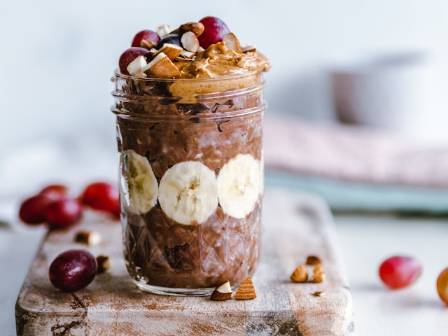
10 Nutritious Breakfast Ideas
We take the concept of healthy breakfast ideas seriously, both in terms of flavor and nutrition. Just as starting your day with a workout can set a positive tone for the rest of your day, beginning with a healthy and delicious breakfast can establish a similar intention for mindful eating and wellness. Here are ten nutritious breakfast ideas to kickstart your morning:

7 Stunning Coastal Rock Formations That Will Leave You Speechless
From towering arches carved by the sea to surreal stone landscapes that resemble sculptures from another world, coastal rock formations are nature’s way of showing off. While some icons like Malta’s Azure Window have sadly collapsed, many breathtaking sites remain to amaze travelers. Here are seven extraordinary formations you won’t want to miss.