Publisering
6 Essential Things to Know About Men’s Turtleneck Winter Pullovers
The men’s turtleneck winter pullover is a timeless staple with a rich history, yet it has only recently solidified its status as a fashion-forward piece. Its origins trace back to medieval knights, who wore high-necked garments to prevent rashes and chafing from chainmail and helmets. Later, laborers, athletes, and sailors adopted it for its practicality and convenience. As modern fashion evolved, the turtleneck became a symbol of the counter-formalwear movement—an “anti-tie” statement that later transitioned into business attire, serving as a sleek alternative to dress shirts under grey or navy suits. Pop culture icons further elevated its appeal, cementing its reputation as a “cool guy” essential. Though it has seen ups and downs in trends, the turtleneck remains a winter wardrobe workhorse today.
Lee
Signatur

1. Core Benefits of Men’s Turtleneck Pullovers
-
Exceptional Warmth Without Bulk: The biggest draw is their ability to keep you cozy without weighing you down, especially during transitional weather. Pair with a blazer, jacket, or coat for elegant cold-weather layering.
-
Full Upper Body Coverage: Unlike crewnecks, turtlenecks cover the chest, arms, shoulders, and neck—critical for protecting the sensitive neck area from harsh winter winds.
-
Saves on Accessories: With full neck coverage, you can skip scarves or extra layers (unless temperatures drop to extremes). A beanie or jacket is all you need for added protection on windy days, cutting down on accessory costs.
-
Unmatched Versatility: Turtlenecks seamlessly transition between formal, semi-formal, and casual occasions, making them one of the most adaptable pieces in a man’s winter wardrobe.
2. Understanding Turtleneck Gauges (Stitches Per Inch)
-
Fine Gauge: Lightweight and form-fitting, ideal for layering under suits, leather jackets, or other outerwear. It’s a great substitute for dress shirts in formal looks. Merino wool is a top choice here—it’s breathable, temperature-regulating, and sleek. Note: Add layers if wearing for outdoor activities like gym sessions.
-
Mid-Weight Gauge: Perfect for those who feel the cold easily. It adds subtle warmth while flattering fuller physiques by softening proportions. Versatile enough for smart-casual and casual outfits, with enough heft to give lighter colors a more substantial look.
-
Heavy Gauge: The insulation champion for freezing winters. Chunky fisherman-style knits (like cable knits) are ideal for harsh climates. Wear as a standalone piece or layer under an overcoat for weekend walks or cold-weather outings.
3. Types of Men’s Turtlenecks
-
Classic Turtleneck: A timeless choice favored by stylish men for generations. It features an extended neckline that folds back on itself, exuding formality—perfect for pairing with tailored pieces or winter coats.
-
Funnel Neck: A simpler variant with a shorter, upright neckline that doesn’t fold over. Most are ribbed for structure, and some incorporate zippers (inspired by sportswear) for added functionality.
-
Mock Neck: A hybrid of funnel necks and crewnecks, with a slightly extended neckline for warmth. Typically mid-weight and casual, it’s a great everyday option for winter layering or standalone wear.

4. How to Choose the Right Fit & Style for Your Body Type
Fit Categories
-
Thin & Fitted: More formal, ideal for layering under suits or sport jackets. Can also be worn standalone for a sleek, refined look.
-
Chunky & Loose: Too thick for layering, so wear as a standalone piece. Embraces a casual vibe, pairing perfectly with jeans or chinos.
Body Type Guidelines
-
Fit to Average Physique: Both thin/fitted and chunky styles work—wear fitted alone or layered, and chunky as a standalone for texture.
-
Plus Size Physique: Avoid thin/fitted turtlenecks as standalone pieces (they cling and highlight the torso/paunch); layer them under jackets instead. Chunky styles are also risky (adds bulk), so opt for mid-weight gauges if choosing a standalone. If you have a double chin, turtlenecks may draw attention upward—proceed with caution.
-
Skinny Physique: Thin/fitted turtlenecks worn alone can amplify slimness—layer with a jacket for balance. Chunky styles are ideal, as their thickness and texture add visual heft to your frame.
5. Care & Wearing Tips
-
Avoid Undershirts: Thin, fitted turtlenecks hug the body—undershirts will show through, ruining the sleek look.
-
Frequent Laundering: Since turtlenecks sit close to the skin, they absorb sweat and require regular cleaning. Opt for machine-washable styles (merino wool is a great low-maintenance option). Delicate knits can be hand-washed, though this is more time-consuming.
6. Trending Ways to Style Men’s Turtlenecks

-
Lean Into Thin Turtlenecks: Skip bulky heavy knits—thin styles are ideal for layering under suits, jackets, and coats without looking overstuffed. They’re the foundation of polished winter looks.
-
Start With Plain Dark Hues: If new to turtlenecks, avoid bright reds or greens. Stick to plain, dark solids (black, navy, charcoal) — they’re winter-appropriate, easy to match, and versatile. Once comfortable, experiment with bright colors or patterns.
-
Turtleneck + Chinos + Winter Hat: A refined combo that balances class and hipster flair. Pair with a merino wool beanie, fedora, or wide-brimmed beret. Add suspenders for a formal twist, or keep it casual with sneakers. An all-black iteration is effortlessly cool.
-
Layer With a Three-Piece Suit: For sophisticated formal wear, replace your dress shirt with a thin turtleneck. Try a cream turtleneck with a emerald green suit for a contemporary look—just ensure the turtleneck is slim-fit to avoid bulk.
-
Pair With Leather/Bomber Jackets: A timeless casual combo—layer a light-hued turtleneck (white, pastel pink) under a leather or bomber jacket, paired with jeans and sneakers. Perfect for dates, friend meetups, or winter parties.
Andre saker du kanskje liker

Robots for Fabricated Metals and Manufacturing
FANUC America is a global leader in robotic solutions for metal fabrication, excelling in applications such as arc welding, laser welding and cladding, thick-section resistance welding, friction spot joining, plasma cutting, and laser cutting. Their offerings include both ready-made solutions and fully customized turnkey systems.

Envisioning Future Cities: A Glimpse into Urban Innovation
Cities, the beating hearts of human civilization, are on the brink of transformation. The familiar skyline of towering structures and bustling streets may soon give way to a new era of urban landscapes, shaped by innovative technologies and forward-thinking urban planning. As the global population burgeons and urban migration intensifies, the imperative to construct efficient, sustainable cities becomes paramount. Let's explore the trajectory of future cities, delving into cutting-edge construction technologies and emerging urban planning trends.

Smart Technologies for Modern Cities
In today’s era, technology is no longer confined to workplaces or personal gadgets—it is increasingly shaping entire cities, optimizing a wide range of public services and urban functions. So-called “smart cities” aim to make it simpler for residents and visitors to navigate traffic, access essential services, manage energy use efficiently, and improve overall quality of life.

The 7 Most Stunning Buses Around the World
Exploring the Most Beautiful Buses Ever Built Buses aren't just about transportation—they can be marvels of design and innovation. Some buses stand out for their exceptional aesthetics, blending functionality with artistic style. From futuristic designs to vintage masterpieces, here’s a list of the seven most visually striking buses from around the globe.

5 Distinct Advantages of Consuming Coffee
The benefits of coffee extend far beyond just providing a quick energy boost. Alongside its ability to invigorate the mind and body, a daily intake of coffee has been associated with numerous health advantages, including a reduced risk of type 2 diabetes and depression, aid in weight management, and potential for extending lifespan. However, it's essential to be mindful of the recommended caffeine limits, especially during pregnancy or while nursing.

8 Amazing Health Benefits of Oranges You Should Know About
Oranges are one of the most popular citrus fruits in the world—and for good reason. Known for their juicy sweetness and high vitamin C content, they are more than just a refreshing snack. These bright fruits are packed with important nutrients that support hydration, digestion, and immune defense, while also offering benefits that may help reduce belly fat and improve brain function. Here are eight compelling reasons to add oranges to your regular diet.

THE THREE POPULAR DESTINATION CITYS OF EUROPE
This compilation of Europe's most visited cities is derived from a comprehensive study conducted by Euromonitor International and another study ranking the Top 100 Cities in The World, in conjunction with data provided by each city's local tourism office. These statistics encompass both pre-pandemic and post-pandemic periods, reflecting a resurgence in travel. Additionally, for those seeking vibrant nightlife scenes, a separate guide highlighting Europe's top party cities is available.

8 Most Valuable Antique Lamps Worth Money
Antique lamps represent a fascinating intersection of functional design and historical craftsmanship. From ornate oil lamps to early electrical fixtures, these pieces offer both aesthetic appeal and investment potential. Here are eight of the most valuable antique lamps that continue to captivate collectors and interior designers alike.

Ten Ways the Ocean Boosts Your Well-Being
Seawater is a treasure trove of minerals like potassium, magnesium, chloride, and sodium. These not only work wonders for your hair and skin but also bolster your immune system by combating infections and reducing inflammation. It's no wonder individuals with skin conditions like eczema are often advised to take a dip in the sea as part of their treatment.
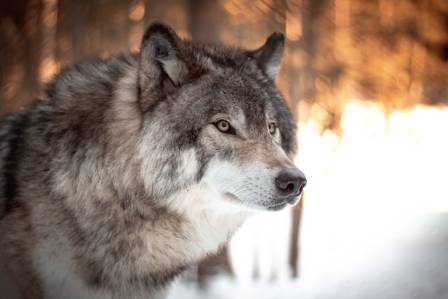
Hungry as a Wolf: The Flexible and Opportunistic Diet of Canis lupus
Wolves, the iconic large carnivores of the Northern Hemisphere, are often portrayed as ruthless hunters of large prey—but their dietary habits are far more complex and adaptable than popular myths suggest. Unlike strict hypercarnivores such as felines, which survive on meat alone, wolves are generalist and opportunistic feeders, capable of adjusting their diet to the available resources in their ecosystems. Over half a century of scientific research has unraveled the nuances of wolf feeding behavior, revealing how their flexible eating habits have enabled them to thrive across diverse landscapes, from grasslands and forests to the harsh Arctic tundra.