Tilbake til forsiden

Publisering

Hungry as a Wolf: The Flexible and Opportunistic Diet of Canis lupus

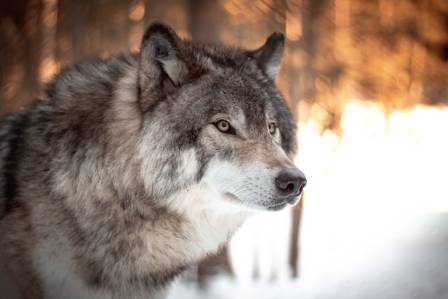
Wolves, the iconic large carnivores of the Northern Hemisphere, are often portrayed as ruthless hunters of large prey—but their dietary habits are far more complex and adaptable than popular myths suggest. Unlike strict hypercarnivores such as felines, which survive on meat alone, wolves are generalist and opportunistic feeders, capable of adjusting their diet to the available resources in their ecosystems. Over half a century of scientific research has unraveled the nuances of wolf feeding behavior, revealing how their flexible eating habits have enabled them to thrive across diverse landscapes, from grasslands and forests to the harsh Arctic tundra.

E

Elizabeth

Signatur

Hungry as a Wolf: The Flexible and Opportunistic Diet of Canis lupus

Wolves, the iconic large carnivores of the Northern Hemisphere, are often portrayed as ruthless hunters of large prey—but their dietary habits are far more complex and adaptable than popular myths suggest. Unlike strict hypercarnivores such as felines, which survive on meat alone, wolves are generalist and opportunistic feeders, capable of adjusting their diet to the available resources in their ecosystems. Over half a century of scientific research has unraveled the nuances of wolf feeding behavior, revealing how their flexible eating habits have enabled them to thrive across diverse landscapes, from grasslands and forests to the harsh Arctic tundra.

Core Prey: Large Ungulates Take Center Stage

The foundation of a wolf’s diet lies in large, hooved herbivores known as ungulates, including moose, elk, deer, caribou, and musk-oxen. These prey species provide the high-calorie, protein-rich nutrition wolves need to sustain their large bodies and support successful reproduction. The specific ungulates targeted vary dramatically by region, reflecting the unique ecosystems wolves inhabit: Arctic wolves rely on caribou and musk-oxen to survive the frigid tundra; wolf packs in the western U.S. (Idaho, Montana, Wyoming) hunt elk, moose, bighorn sheep, and mountain goats; Mexican gray wolves prioritize elk and deer; red wolves in North Carolina focus on white-tailed deer; European wolves in Spain and Italy feast on red deer, roe deer, and wild boar; Central Asian wolves hunt ibex, argali sheep, and wild goats; and the Himalayan wolf—the oldest surviving wolf lineage—preys on Tibetan gazelles in the high-altitude plateaus of the Himalayas and Tibet. This regional specialization underscores the wolf’s ability to align its hunting strategies with the most abundant large prey in its habitat.

Opportunistic Feeders: Beyond Large Herbivores

While ungulates are their primary food source, wolves are far from picky eaters. They readily supplement their diet with smaller prey, including beavers, hares, marmots, and rodents, along with fish and even birds when the opportunity arises. Scavenging is also a critical part of their feeding behavior: wolves will consume carrion from animals that died of disease, starvation, or other predators, as well as human-generated garbage in areas where wild prey is scarce. Unfortunately, this opportunism sometimes leads wolves to prey on domestic livestock and pets, a behavior that has fueled human-wolf conflict for centuries and earned wolves an undeserved reputation as dangerous pests. This broad, flexible diet is a key factor in the wolf’s success as a species, allowing it to survive in environments where large prey populations fluctuate or decline.

Feast-or-Famine Lifestyle: Energy Adaptations for Survival

Wolves have evolved a unique metabolic strategy to cope with the unpredictability of hunting large prey: a feast-or-famine lifestyle. They can survive on as little as 2.5 to 3.7 pounds of meat per day, but require 5 to 7 pounds daily to support breeding and pup rearing. Unlike many animals that eat daily, wolves often go days or even weeks without food, especially during lean seasons or after failed hunts. When a pack successfully takes down a large ungulate, however, they make the most of the opportunity: a single wolf can consume up to 20 pounds of meat in one meal, gorging themselves to build fat reserves for the next period of scarcity. This ability to eat massive quantities in one sitting and then go without food for extended periods is a vital adaptation for a predator that faces frequent hunting failures.

Pack Hunting: Efficiency and Safety in Taking Down Large Prey
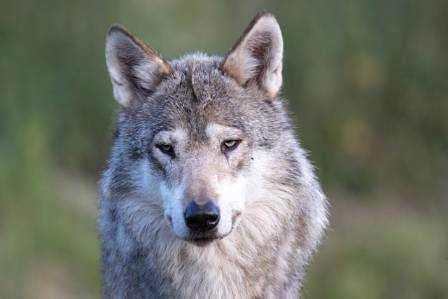
While individual wolves are capable of killing all types of prey, hunting large ungulates such as moose and elk is significantly easier and safer for wolves hunting in packs. Taking down a large, powerful herbivore requires coordination, skill, energy, and a bit of luck—and even then, hunts are not always successful. Multiple factors influence a hunt’s outcome: the age and experience of the wolves, the age, sex, health, and defensive skills of the prey, the time of year and day, the terrain, and the weather conditions. Pack hunting allows wolves to use sophisticated strategies, such as surrounding prey, separating vulnerable individuals from the herd, and exhausting their target, reducing the risk of injury and increasing the chance of a kill. This collaborative hunting behavior is one of the most well-known traits of wolves and a major reason for their status as apex predators.

Selective Predation: Targeting the Most Vulnerable Prey

Decades of wolf research have shown that wolves are not random hunters—they tend to target the most vulnerable individuals in a herd or flock. Their preferred prey includes old, injured, sick, or young animals, which are easier to catch and less likely to cause injury to the wolves. They also target prey with less visible vulnerabilities, such as individuals suffering from poor nutrition or weakened immune systems. This selective predation benefits both wolves and their ecosystems: it reduces the risk of injury to the hunters and helps control the population of prey species by removing less healthy individuals, which can improve the overall genetic health and resilience of the prey herd over time. This behavior dispels the myth that wolves kill indiscriminately, highlighting their role as balanced apex predators.

Predator-Prey Dynamics: The Isle Royale Long-Term Study

One of the most influential studies on wolf-prey relationships has been conducted on Isle Royale, a remote island in Lake Superior, where researchers have monitored the interaction between wolves and moose for over half a century—the longest-running predator-prey study in the world. From 1959 to 1980, the populations of wolves and moose on the island followed a predictable cyclical pattern: when moose numbers were high, wolves had abundant food, leading to better nutrition, higher pup survival rates, and an increase in the wolf population. As wolf numbers grew, they hunted more moose, causing the moose population to decline. With less prey available, wolf numbers dropped, reducing predation pressure on moose and allowing their population to rebound. This cycle repeated itself, but the study also revealed that other factors—such as deadly viruses, tick infestations, and inbreeding among wolves—could disrupt the balance and lead to population declines in either species, even in this isolated ecosystem.

Prey Switching: Survival in Multi-Prey Ecosystems

In ecosystems with multiple prey species, wolf-prey dynamics become even more complex, thanks to a behavior known as “prey switching.” When the population of a wolf’s primary prey declines, wolves have two options: their numbers can decrease along with their food source, or they can switch to alternate prey to sustain their population. A notable example of this comes from the east-central Superior National Forest in Minnesota, where wolves typically hunt white-tailed deer, moose, and beavers. Between 2006 and 2016, the moose population in the area declined by more than half. Researchers Shannon Barber-Meyer and Dr. L. David Mech found that instead of decreasing, the wolf population almost doubled during this period. Wolf scat analysis revealed that wolves had switched to hunting more white-tailed deer and continued to prey on moose calves, contributing to the moose population’s ongoing decline. Only when the white-tailed deer population began to drop did the wolf population finally decline, demonstrating the power of prey switching in sustaining wolf populations.

Adapting to Scarcity: Livestock, Garbage, and Unexpected Foods
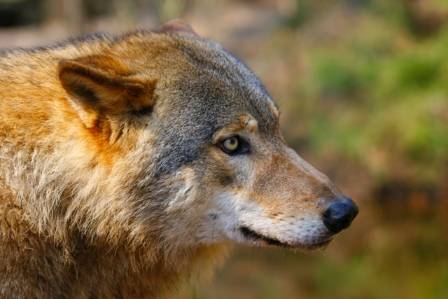
When wild prey is scarce or absent, wolves demonstrate remarkable resilience by turning to alternative food sources, often bringing them into conflict with humans. One common fallback is domestic livestock, such as sheep and goats, especially during grazing seasons when livestock are left unprotected in open pastures. Wolves may also scavenge garbage dumps, consuming meat scraps, fruit, and even non-food items like plastic, cigarette butts, and broken glass, as documented in studies of wolves in Israel and Italy. A study in the Hamadan province of Western Iran—where medium-to-large wild prey are extremely rare—found that wolves relied heavily on livestock (34% of their diet), garbage (23%), poultry (16%), and European hares (15.4%). Perhaps the most surprising alternative food source for wolves is fruit: studies from the 1970s to the 1990s found that wolves across southern Europe, Eastern Europe, and China eat a variety of fruits, including cherries, berries, apples, pears, figs, plums, grapes, and melons. In 2020, biologists even observed an adult wolf regurgitating wild blueberries to feed its pups in Minnesota’s Greater Voyageurs Ecosystem, highlighting the unexpected diversity of a wolf’s diet.

Andre saker du kanskje liker

LIU Xiang: China's hurdling star at 20

LIU Xiang: China's hurdling star at 20

Ever wondered what your favourite sportspeople were like before they were super-mega-famous? Every week Tokyo 2020 will give you a glimpse into what life was like for some of the world’s greatest athletes before they were stars.

TThor
Catching the Wind: How Anemometers Measure Air Movement

Catching the Wind: How Anemometers Measure Air Movement

The word anemometer may sound complex, but its purpose is quite straightforward—it measures wind. Derived from Greek roots, “anem-” means wind, while “-meter” simply means to measure. These instruments appear in weather stations everywhere, from small backyard setups to large-scale meteorological centers. By capturing details about air movement, they help us predict storms, plan outdoor activities, and even understand global climate patterns.

KKelly
8 Tallest Lighthouses in the United States

8 Tallest Lighthouses in the United States

Lighthouses symbolize resilience and reliability, guiding sailors and fishermen home while warning them of dangerous coastlines. Standing tall as beacons of hope, they serve as essential landmarks along the shores.

SSam
The Epic Story of Magnetic Tape: Past, Present and Future

The Epic Story of Magnetic Tape: Past, Present and Future

Imagine a world with no way to preserve voices, music, or digital knowledge. Without magnetic tape, countless speeches, cultural treasures, and scientific breakthroughs might have vanished. This unassuming strip of coated plastic reshaped the way humans record, store, and protect information—and its journey is nothing short of extraordinary.

JJames
Top 10 Farm Animals: A Playful Ranking of Agricultural Companions

Top 10 Farm Animals: A Playful Ranking of Agricultural Companions

Dear readers, indulge me as I present to you a whimsical exploration of farm animals, each with its unique charm and quirks. Let's embark on this lighthearted journey together!

YYasmin
The Profound Influence of Technology on Your Everyday Life

The Profound Influence of Technology on Your Everyday Life

In the year 2023, technology permeates nearly every facet of our daily existence, ushering in a multitude of transformations across various domains. From the realms of transport efficiency, food accessibility, and healthcare to socialization, productivity, and the ease of learning, technology has left an indelible imprint on our world. It has not only made knowledge more accessible but has also fostered the organic formation of global communities on the internet.

EEthan Ryder
Top 10 Casual Outfit Ideas for Women 2025 

Top 10 Casual Outfit Ideas for Women 2025 

Fashion in 2025 is all about mixing comfort with confidence. Whether it’s a relaxed day at home, a coffee date, or a city stroll, these casual outfit inspirations strike the right balance between trendy and practical. Here are ten standout looks to refresh your wardrobe this year.

JJosephine
Unlocking the Long-Term Rewards of Exercise

Unlocking the Long-Term Rewards of Exercise

Exercise is a powerful elixir for our physical and mental well-being, and its enduring benefits are evident not just immediately, but also in the years to come. Let's delve into the importance of staying active and how it equips us for a healthier, happier future.

IIvy Serenity
Desert Camels

Desert Camels

Camels have been domesticated for over 3,000 years, and humans continue to rely on them for transport across dry and arid regions. They can carry up to 200 pounds (90 kilograms) while traveling 20 miles (32 kilometers) a day in the desert. Camels are capable of moving as fast as horses, yet they can survive for long periods without food or water. Beyond transportation, humans have used camels for milk, meat, wool, leather, and even dung as a source of fuel.

AAlice Morgan
The Top 10 Tropical Islands You Should Consider

The Top 10 Tropical Islands You Should Consider

When you think of paradise, you likely imagine white-sand beaches, crystal-blue water, and palm trees stretching into the horizon. That’s the vibe of a great tropical island — those places where time seems to slow and the stresses of the world fade away. After spending years travelling and exploring many such islands, this list compiles Matt’s favourite and best tropical islands across budgets, travel-styles and interests.

MMason Reed