Breakfast is far more than a simple meal to kickstart the day—it is a universal ritual woven into the fabric of cultures worldwide, a reflection of geography, history, and lifestyle. Beyond providing the energy needed for work, school, or adventure, breakfast carries deep cultural significance: it can be a quiet moment of solitude, a lively family gathering, or a quick bite on the go, all shaped by the traditions and values of a region. From the hearty spreads of the Middle East to the light, fresh bites of Mediterranean countries, every breakfast tells a story of identity and community. As we journey across continents, we explore how different nations start their mornings, uncovering the unique ingredients, preparation methods, and cultural meanings that make each breakfast tradition unforgettable.
Sweden: Nordic Simplicity and Natural Freshness
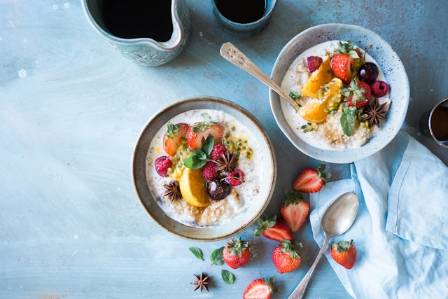
In Sweden, breakfast embodies the Nordic commitment to simplicity, sustainability, and natural flavors, often referred to as “frukost” (the morning meal). The typical Swedish breakfast table is a spread of wholesome, unprocessed ingredients that highlight quality over complexity: crispbread (knäckebröd) with its satisfying crunch, dense and flavorful limpa bread (a rye-based loaf), or nutty wholemeal bread form the base, paired with an array of toppings that cater to both sweet and savory preferences. Fresh seasonal fruits—such as apples, pears, or berries—add a burst of sweetness, while creamy spreads like cloudberry jam (hjortron sylt), lingonberry preserves, or honey complement the breads perfectly. Savory options include thinly sliced sausage (prinskorv), mild Swedish cheese (such as Västerbottensost), and herring salad (sillssallad), often tossed with red onion, dill, and a light vinaigrette. A standout specialty is filmjölk, a fermented milk product with a tangy, yogurt-like taste and creamy texture, typically served chilled with honey or granola. This breakfast is designed to be nourishing yet unhurried, reflecting Sweden’s “lagom” philosophy of balance—enough to fuel the day without excess. For many Swedish families, breakfast is a calm, communal moment, with family members gathering around the table before heading to work or school, savoring the simplicity of fresh, local ingredients.
England: The Hearty Legacy of the Full English Breakfast
No discussion of global breakfasts is complete without the iconic “full English” (or “fry-up”), a hearty, indulgent meal that has become a symbol of British comfort food. Rooted in the working-class traditions of the 19th century, this breakfast was originally designed to sustain laborers through long, physically demanding days, and its popularity has endured as a weekend treat or a comforting meal for special occasions. While the core components remain consistent, regional variations add unique twists: in England, it typically includes fried or poached eggs, crispy bacon, savory pork sausage, grilled mushrooms, roasted cherry tomatoes, baked beans in tomato sauce, buttered toast, and either golden chips (in the north) or crispy hash browns (in the south). A divisive yet beloved addition is black pudding, a blood sausage made with pork blood, oats, and spices, offering a rich, earthy flavor that loyal fans swear by. Some versions also include fried bread, kidneys, or bubble and squeak (a hash of leftover potatoes and cabbage). The full English is more than just food—it is a cultural institution, associated with relaxation and indulgence. Served in cafes, pubs, and homes across the country, it is often paired with a cup of strong tea (with milk, of course) or a freshly brewed coffee, embodying the British love of comfort and tradition. Despite modern trends toward healthier eating, the full English remains a beloved staple, a reminder of simpler times and the joy of a hearty, unapologetic meal.
Spain: Mediterranean Lightness and Street-Side Sweetness
Spanish breakfast, or “desayuno,” is a reflection of the country’s laid-back lifestyle and Mediterranean culinary heritage—light, quick, and packed with fresh, vibrant flavors. Unlike the heavy breakfasts of Northern Europe, Spaniards prefer to start their day with small, energizing bites that keep them going until the mid-morning “almuerzo” (a light snack) or the late lunch. The most popular choice is tostadas: crusty white bread toasted until golden, rubbed with ripe tomato (to release its juices and flavor), drizzled with extra-virgin olive oil, and seasoned with a pinch of salt. For a more substantial option, tostadas may be topped with thinly sliced Jamón serrano (dry-cured Spanish ham), creamy manchego cheese, or a fried egg. Bocadillos—crusty baguette sandwiches filled with ham, cheese, or tuna—are another favorite, perfect for commuters or those on the go. For those with a sweet tooth, churros are a beloved treat: crispy, fried dough pastries dusted with sugar, typically served with a thick, rich hot chocolate for dipping. Churros are often enjoyed at street stalls or cafes, especially on weekends, where friends gather to chat over a cup of chocolate and these indulgent bites. Spanish breakfast is also closely tied to coffee culture: a small cup of strong espresso (café solo) or a creamy café con leche is a non-negotiable part of the morning routine, providing a quick caffeine boost to start the day. This light, flavorful breakfast perfectly complements Spain’s relaxed pace of life, emphasizing quality ingredients and simple pleasures.
Turkey: Middle Eastern Abundance and Social Bonding
Turkish breakfast, or “kahvaltı,” is a feast for the senses—an abundant spread of savory and sweet dishes that encourages sharing and socializing, making it far more than just a meal. Rooted in Ottoman culinary traditions, kahvaltı is a celebration of fresh, local ingredients, designed to be enjoyed slowly with family, friends, or colleagues. The table is typically covered with a colorful array of dishes: creamy feta cheese (beyaz peynir) and tangy goat cheese, briny black and green olives, ripe tomatoes, crisp cucumbers, and fresh herbs like parsley and mint. Savory options include sucuk (a spicy, cured sausage), pastirma (air-dried beef), and menemen (a scrambled egg dish with tomatoes, peppers, and onions, similar to shakshuka). Sweet elements come in the form of homemade jams (made from figs, quinces, or apricots), thick honey (often from chestnuts or wildflowers), and baklava or other pastries for those with a sweet tooth. Bread is a staple—many opt for simit, a circular, sesame-seeded bread with a crispy crust and chewy interior, which is also a popular street food snack. No Turkish breakfast is complete without a pot of strong, aromatic Turkish tea (çay), served in small glasses to be sipped throughout the meal. Kahvaltı is more than just sustenance; it is a social ritual that strengthens relationships. Families often gather for a leisurely kahvaltı on weekends, while businesses may host breakfast meetings to build connections. This abundant, communal meal reflects Turkey’s hospitality and the importance of sharing in Middle Eastern culture.
Costa Rica: Gallo Pinto—The National Breakfast with a Friendly Rivalry

In Costa Rica, the day begins with Gallo Pinto, a humble yet beloved dish that has become the country’s national breakfast, embodying simplicity, comfort, and national pride. Translating to “spotted rooster” (a reference to its speckled appearance of rice and beans), Gallo Pinto is a hearty mixture of cooked rice and black beans, fried together with cilantro, onion, garlic, salt, and pepper. The rice is typically leftover from the previous night’s dinner, making it a practical, zero-waste dish that has been a staple in Costa Rican households for generations. To prepare it, black beans are simmered until tender, then mixed with day-old rice and sautéed with aromatics to create a flavorful, satisfying base. Gallo Pinto is rarely eaten alone: it is usually served with a fried or scrambled egg, slices of ripe avocado, a dollop of sour cream, and a side of fried plantains or tortillas. This breakfast is designed to provide sustained energy for Costa Ricans’ active lifestyles, whether working on farms, exploring rainforests, or commuting in cities. However, Gallo Pinto is also at the center of a friendly culinary rivalry with neighboring Nicaragua: while Costa Ricans swear by black beans in their Gallo Pinto, Nicaraguans prefer red beans, and both nations lay claim to the dish’s origin. Despite the debate, Gallo Pinto remains a unifying symbol for Costa Ricans, representing their connection to the land, their frugal values, and the comfort of home-cooked food. For many Costa Ricans living abroad, Gallo Pinto is a taste of nostalgia, a reminder of the simple pleasures of childhood and family.
India: A Spice-Infused Feast of Regional Diversity
Indian breakfast, or “nashta,” is a vibrant tapestry of flavors, textures, and regional variations, reflecting the country’s diverse culinary heritage and love of spices. Unlike many Western breakfasts, Indian nashta is often savory, hearty, and packed with aromatic spices, designed to satisfy both the palate and the appetite. One of the most popular national breakfasts is idli, soft, fluffy steamed cakes made from a fermented batter of rice and urad dal (black lentils). Idli is light yet filling, making it a favorite among vegetarians and health-conscious eaters, and it is typically served with sambar (a spicy, tangy lentil soup flavored with tamarind, tomatoes, and a blend of South Indian spices) and chutney (made from coconut, mint, or coriander). Another beloved option is dosa, a crispy, thin pancake made from the same rice and dal batter as idli, cooked on a griddle until golden and crispy. Dosa is often filled with a spicy potato curry (masala dosa) or served plain with sambar and chutney, and its crunchy texture and bold flavors have made it a favorite across India. Regional variations add even more diversity: in the north, breakfast may include parathas (flaky, stuffed flatbreads) with yogurt and pickle, or poha (flattened rice cooked with onions, mustard seeds, and curry leaves). In the east, luchi (deep-fried bread) with aloo curry is popular, while in the west, vada pav (a spicy potato fritter sandwich) is a beloved street food breakfast. Indian breakfast is not just about food—it is a celebration of regional identity, with each state putting its own spin on classic dishes. Whether enjoyed at home with family or from a street food vendor, nashta is a sensory experience that showcases India’s love of flavor, tradition, and community.
Japan: A Balanced, Nutritious Breakfast Rooted in Wellness
Japanese traditional breakfast, or “asagohan,” is a model of balance, nutrition, and mindfulness, reflecting the country’s focus on wellness and respect for ingredients. Unlike the heavy, fried breakfasts of some Western countries, asagohan is light yet nourishing, consisting of a variety of small dishes that provide a mix of proteins, carbohydrates, and vitamins. The core components of a traditional Japanese breakfast include steamed white rice (gohan), miso soup (a savory broth made from fermented soybean paste, seaweed, tofu, and vegetables), grilled or steamed fish (such as salmon or mackerel), natto (fermented soybeans), pickled vegetables (tsukemono), and a raw egg (which is cracked into the rice and mixed in for creaminess). Each dish serves a purpose: rice provides energy, fish offers protein and omega-3 fatty acids, miso soup delivers probiotics and hydration, and pickled vegetables aid digestion. Natto, while an acquired taste for many foreigners (thanks to its sticky texture and pungent aroma), is a nutritional powerhouse, rich in vitamin K2, protein, and probiotics. Traditional asagohan is particularly popular among farmers, fishermen, and manual laborers, who need sustained energy for their physically demanding work. However, in modern Japan, many urban dwellers opt for quicker breakfasts like toast, cereal, or onigiri (rice balls), due to busy schedules. Despite this shift, traditional asagohan remains a symbol of Japanese culture, embodying the values of balance, simplicity, and respect for nature. For many Japanese families, preparing and eating asagohan together on weekends is a way to connect with tradition and prioritize health.
Conclusion: Breakfast as a Mirror of Culture

From the simplicity of Swedish frukost to the spice-infused feasts of Indian nashta, breakfast traditions around the world are as diverse as the cultures that created them. Yet, for all their differences, these morning meals share a common purpose: to nourish the body, comfort the soul, and bring people together. Breakfast reflects a region’s geography (the fresh seafood in Japanese asagohan, the beans and rice in Costa Rican Gallo Pinto), its history (the working-class roots of the full English), and its values (the communal spirit of Turkish kahvaltı, the wellness focus of Japanese asagohan). In an increasingly globalized world, breakfast traditions also serve as a reminder of cultural identity, connecting people to their roots and preserving ancestral customs. Whether we prefer a hearty fry-up, a light tostada, or a bowl of idli and sambar, breakfast is more than just food—it is a ritual that shapes our days, our memories, and our sense of belonging. As we explore the world through its morning meals, we gain a deeper appreciation for the diversity of human culture and the simple joys that unite us all.